
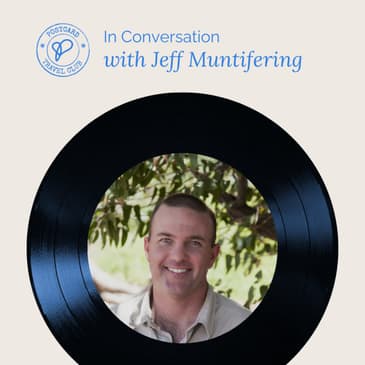
Jeff Muntifering's journey started as a brief summer adventure during his college years, but it quickly transformed into an unwavering dedication to wildlife conservation. The pivotal moment occurred when his gaze met that of a cheetah, propelling him to realize that conservation was his true calling. Fueled by this profound realization, he made the momentous decision to leave his Minnesota hometown behind and forge a new life in Namibia.
As an International Conservation Biologist and the visionary behind Full Circle Studies and Safaris in Namibia, Jeff has tirelessly collaborated with the Save the Rhino Trust for nearly two decades, serving in various capacities.
Through Full Circle, Jeff offers students and intrepid travelers unparalleled opportunities to venture into Namibia's expansive desert terrains and experience firsthand encounters with the last remaining wild rhinos. Guided by local rangers, these treks on foot provide a profound connection with nature, a chance to witness the rhinos in their natural habitat, and an opportunity to contribute to their preservation.
For more captivating stories and insights from the trailblazers of responsible tourism, visit https://postcard.travel/
Hosted on Acast. See acast.com/privacy for more information.
[00:00:00] I mean, if you've ever tried a moment to look into the eyes of a cheetah and there's nothing
[00:00:10] more powerful in those big golden eyes looking back at you and the the tear stripes it's just
[00:00:17] kind of it's just screaming sort of help me and and take care of me.
[00:00:22] That moment I just I felt completely inspired to make a difference that kind of became my my calling card.
[00:00:33] From small town America and the Midwestern region of the United States to the majestic
[00:00:40] southwestern plains of Africa in Namibia, it's been a long journey for Jeff
[00:00:45] month of hearing to get where he is today. Jeff is no stranger to answering a call to adventure
[00:00:51] while pursuing sports medicine in college. It was a love at first sight that changed his destiny.
[00:00:56] That love was not found in a person, but in a magical moment with a cheetah that began a lifetime
[00:01:03] career in wildlife conservation. Jeff is very easy to talk to. His roots are thick with his
[00:01:10] salt of the earth demeanor however it is clear his heart belongs to Africa. He has lived there
[00:01:16] now longer than the states and his wife and kids were born there. He is diplomatic and thoughtful
[00:01:21] in his response and you can see why he's a powerful advocate and skilled at having the hard
[00:01:26] conversations necessary for his line of work. I'm going to call this interview a light shiner
[00:01:32] into new ways of thought not just in his conservation efforts but in how we live our lives.
[00:01:39] Who knows, this might just inspire you to answer your own call to adventure.
[00:01:46] Well, welcome to the postcard travel show Jeff. What a privilege and pleasure. Thanks for having me.
[00:01:53] Tell me a little bit more about where you're sitting right now.
[00:01:57] I am sitting on the Southwestern coast of an amazing country called Namibia just up from South Africa.
[00:02:07] The western coastline here and it is cold and foggy and probably something you wouldn't picture
[00:02:13] being in the desert but that is where I spend most of my time if I'm not in the actual desert
[00:02:20] which is not far east of here where it's nice and warm and sunny. So we get all sorts of
[00:02:26] worlds here in Namibia. Can you explain what it looks like outside your door, like the terrain?
[00:02:32] Well, it's a pretty incredible view actually. We literally stay here on my family and I sandwiched
[00:02:41] between the sea on one side and sand. There's a sort of stretch of sand dunes almost in our back
[00:02:50] you already hear on the coast and it's a small little beach community sort of about 10 miles
[00:02:56] between two larger cities at Walvis Bay which actually has an airport and Swapit Moon
[00:03:02] which is a cute little tourist destination and then from here it's about a five hour drive up
[00:03:09] to our conservation areas that we spend most of our time working in. The reason I ask is it's
[00:03:16] hard to conceptualize what that would look like if you've never been and especially for someone
[00:03:22] like me in the states which you are well familiar with you can tell by your accent that you're not
[00:03:27] actually a native where are you from Jeff? I grew up in central Minnesota about an hour and a half
[00:03:34] northwest of Minneapolis St. Paul small small town called Sartel right on the Mississippi River which
[00:03:41] I guess isn't so small anymore but yeah. So that's quite a difference so tell me how you got from
[00:03:48] Minnesota to Namibia? Yeah it's a it is a long story but the short of it or the beginning of it
[00:03:56] I shall say came through an experience that I had while I was in college I made the big leap from
[00:04:02] my hometown 50 miles to St. John's Minnesota which is a great small liberal art school
[00:04:09] I was a sports medicine major and during my junior year I had a friend who played football with who
[00:04:16] decided that we should probably go to Africa for a study abroad program and it just so happened
[00:04:22] to St. John's actually had a professor from South Africa who was teaching at St. John's
[00:04:28] at the time and helped set up a program and we rounded up some friends made the trip
[00:04:34] and just as I think often people do just fell in love with Africa. The people, the environment
[00:04:43] and while I was there I was able to experience some time in the bush as we call it
[00:04:48] over here in the African wilderness and wildlife and had a very special moment with
[00:04:55] with a captive cheetah that I'll never forget. I always kind of consider that to be one of my watershed
[00:05:00] moments and if you've ever had a moment to look into the eyes of a cheetah there's nothing more
[00:05:06] powerful those big golden you know eyes looking back at you and the the tear stripes it's just kind
[00:05:13] of it's just screaming sort of help me and and take care of me and that moment I just I felt
[00:05:22] completely inspired to make a difference that kind of became my my calling card and became my new
[00:05:31] purpose was to figure out you know how to get back to Africa to say cheetahs I went back to Minnesota
[00:05:37] after the study abroad program worked in warehouses tap holes and steel to save up enough money
[00:05:43] and at a fortuitous meeting with another ex-pat from the US who had started the Cheetah Conservation
[00:05:49] in a place called Namibia in the early 90s and I had been lucky enough to be working on a wolf
[00:05:55] research program in Minnesota and one of the activities that I happen to have had some experience with
[00:06:03] was doing some dietary analysis so in other words picking through poop to see what they were eating
[00:06:11] and as soon as I mentioned that to Lori in our meeting which happened to be at a at a zoo conference
[00:06:17] her eyes got very big and she said well I have a box of cheetah poop in the US and if you're
[00:06:22] willing to bring that with you to Namibia you are more than welcome to come and join us
[00:06:29] in our efforts to save cheetahs so you know what are not many two years old yeah beggars can't be
[00:06:34] choosers um you never know where a box of cheetah poop is gonna get you but it got me so
[00:06:39] oh wait wait wait you so you actually brought the cheetah who uh with you on the plane
[00:06:47] it was in a box it was delivered to my parents house it was a bunch of small little samples in
[00:06:53] test tubes with formaldehyde yeah if you've ever smelled formaldehyde combined with cat
[00:07:00] excrement it is a pretty horrific smell and I got a lot of dirty looks at the at the airport
[00:07:06] and during the flight but yeah this was before 9-11 when you could bring basically anything on
[00:07:11] the plane that was my invitation so yeah you just you just floated right through security they were
[00:07:20] like oh this man let him go no questions asked but take off your shoes sir exactly it's it's only Cheetah
[00:07:30] of a butthalaria okay so you had this this moment with the cheetah that then like also led you to
[00:07:35] this bigger moment in conservation and so you're 22 years old you decide that this is your life
[00:07:41] path then essentially your call to adventure which we'll get more into because here was journey is
[00:07:47] a big part of of the ethos of your company and so tell me more about how this then grew into
[00:07:57] something bigger well you know I think when when you pursue something like conservation particularly
[00:08:04] at an early age you know you the most important thing and the advice I always give young
[00:08:10] aspiring conservationist is you got to get out there you got to get out in the world you got
[00:08:14] to get some experience get to know people and oftentimes that also involves doing some traveling
[00:08:21] and I think that's kind of the best part of pursuing a career path and conservation is not only do you
[00:08:26] get to I think have a lot of purpose in your life and you know feeling good about your day
[00:08:32] and that what you're doing is making a difference but you get to see some pretty awesome places too
[00:08:37] and you know I realized perhaps a little bit more recently how important the travel dimension was
[00:08:44] in kind of shaping you know my conservation path so while I built up experience working on different
[00:08:53] projects around the world over about a two to three year period you know I was also able to really
[00:09:01] I think enjoy and benefit from the experiences that that travel into remote areas
[00:09:09] into authentic places with communities also can can provide and you know I just happen to then
[00:09:16] settle upon this place called Namibia and that's where you started your family correct exactly
[00:09:24] tell me a little bit more about did you did you meet your wife there or yeah so about three or four
[00:09:32] years after I guess I had more or less settled down in Namibia we had already started doing a lot
[00:09:38] of research conservation work with tourism companies so I'm up in the northwest part of Namibia which
[00:09:45] is a big kind of wild remote area there's a number of of high end tourism lodges take people out
[00:09:52] see the landscapes and the wildlife and they kind of go hand in hand up in that area and I had
[00:10:01] happened to meet a couple women who were working for the company called wilderness safaris that
[00:10:07] we were doing a lot of work with one of them also happened to be sort of just out of college
[00:10:12] and was pursuing a master's degree was looking for a project and I was at the time running semester
[00:10:20] abroad field programs for a company called the Round River Conservation Studies we were bringing in
[00:10:24] American students spending three months you know twice a year working with Saber the Rhino Trust
[00:10:31] who we'd recently partnered with and my wife to be Bessili I was like I said looking for a project
[00:10:37] asked me if I had any openings and I said sure come on up and how one thing led to another and
[00:10:45] she became of course the main reason why I decided to make Namibia home. Way better story than a dating
[00:10:52] app. How wonderful it is to share a passion with your partner like that and then also she contributes
[00:11:01] to your company now full circle safaris and studies correct yeah I mean both of us have a you know
[00:11:08] background in tourism my my facility at Ustash you know spend about seven years working for a
[00:11:14] tourism company whereas I've just sort of now made the shift just a few years ago with with the full
[00:11:20] circle company you know prior to that I had kind of worked together with the tourism industry but
[00:11:26] wearing a conservation at so a bit of a big step but yeah I mean it's it's great we can
[00:11:32] celebrate in the good things and of course have each other as a soundboard when things aren't
[00:11:39] always going right so it's it's a good combination. Definitely we've said the word conservation a lot
[00:11:46] during this interview and I want to kind of clear up what that actually means because it's kind
[00:11:51] of become a buzzword over the last several years and so it sounds nice but I wanted to to get
[00:11:57] a clearer depiction of what does it mean when you're using it and what is especially in the
[00:12:02] context of safaris and zoos. Right I mean conservation I think means different things to different people
[00:12:08] it's not a simple definition really and to me it's it's really more especially I think as I've
[00:12:16] been out I would say sort of doing conservation over the past 20 years now is it really boils
[00:12:22] down to people and you know it's it's it's more of a verb to me to conserve and to make decisions
[00:12:30] that have positive outcomes for the natural world you know the way that we have structured our
[00:12:38] conservation strategies particularly here in Namibia I would say has a perhaps a more unconventional
[00:12:46] focus on also producing benefits for people and doing that very consciously in the hope and
[00:12:54] belief that by finding ways that conservation behaviors enrich people's lives you know we have a
[00:13:02] better chance not only of being successful for the wildlife and wild places that we want to protect
[00:13:07] but also make it more lasting and more sustainable because people are doing it not just because
[00:13:14] they think it's the right thing to do but because they can see and they can feel you know tangible
[00:13:19] benefits by making those decisions. You are an international conservation biologist with the Minnesota
[00:13:25] Zoo Foundation there is some controversy surrounding zoos as in some are against the captivity
[00:13:31] of animals however others disagree and say that to care about the animals you first must have exposure
[00:13:37] can you talk more about this? Yeah sure I think this comes up quite a bit and I think certainly when
[00:13:45] you look at the history of zoos you know what people think the the perception is sort of this animal
[00:13:52] in this like almost prison-like cage with this cement floor kind of getting fed you know scraps
[00:13:59] through the bars and I suppose there may still be a few zoos like that but the vast majority
[00:14:05] and particularly accredited zoos now are far cry from that image and what zoos used to be.
[00:14:12] There are massive incentives for zoos to be incredibly creative with their exhibit design
[00:14:18] making them as natural as possible but I think at least for me and of course from my perspective
[00:14:25] what's been really inspiring is the big shift that zoos are moving to support and to demonstrate more
[00:14:33] direct support for conservation outside of the zoo so you know one can argue that just the zoo being
[00:14:40] there as an education outlet is perhaps doing some conservation but I think contributing you know to
[00:14:50] the protection of the habitat for the species especially which a house at their zoo is becoming
[00:14:56] much more much more common and I think much more mandated by the zoo fraternity particularly I think
[00:15:03] the leaders you know in this sort of community and you know the other thing too Liz is that
[00:15:12] I would be willing to doubt and I mean we already talked about my experience but I would be
[00:15:16] willing to say that the vast majority of conservationists that do conservation in the wild can
[00:15:22] probably go back to a point pivotal point in their career and their trajectory as a conservationist
[00:15:30] to some experience that they had in a captive setting whether it was their local zoo or a captive
[00:15:37] breeding center something that inspired them to get out there and make a difference so you know our
[00:15:44] zoos perfect by any means absolutely not but I think they've done a lot to improve themselves I
[00:15:51] continue to do a lot for conservation I absolutely agree with what you're saying I think anybody that
[00:15:58] I grew up with that was especially passionate about an animal had it was because they had a moment
[00:16:03] just as you described with the cheetah of that this was something that they really cared about I
[00:16:08] remember I I loved to rang a tang as a child and it was because I went to the zoo when I
[00:16:13] saw their rang a tang and I just thought that they were the best animals ever yeah the you know
[00:16:17] the other thing that I could add to is you know I think in 50 years ago when zoos were establishing
[00:16:23] themselves they were capturing animals from the wild and bringing them in but you know that's
[00:16:29] long gone now the vast majority of animals that are in zoos they would never survive in the wild
[00:16:36] anyway there are fourth fifth sixth generation you know of zoo bred animals and I think it's it's
[00:16:43] better to sort of see them as ambassadors for their species and that like you said they they're
[00:16:48] inspiring other people they're teaching people that maybe can't make it to Africa but when you see
[00:16:54] a black rhino at the zoo in the US you know that might inspire you to do something more for that species
[00:17:04] or for conservation even in your backyard what are some of the challenges and rewards of this type of
[00:17:10] well the challenges are many you know it's one of those careers I think where you know you're
[00:17:18] constantly kind of pummeled by doom and gloom right it's hard many days to see the light at the
[00:17:26] end of the tunnel especially with critically endangered species I mean you know with rhino for example
[00:17:32] we deal with the poaching threat on a daily basis you know fortunately we've we've had
[00:17:37] really good success I think in the mbias you know you know these are animals that you
[00:17:41] protected your whole life for you some some of them you've you've helped raise and orphanages
[00:17:48] you know just really heartbreaking the other challenge that I have to say is going back to again
[00:17:54] a lot of our work is with communities and focusing on engaging and empowering local people and
[00:18:01] protecting wildlife and if you think working with wildlife is difficult trying to understand and
[00:18:08] find ways to motivate people is even a bigger challenge this issue of funding making sure that
[00:18:15] you have funding into the future that you can pay your angels you know that you can make sure that
[00:18:21] they have the equipment and the support that they need to do your job you know that's always weighing
[00:18:26] in the back of your head it's not just getting up going to the office punching in punching out you're
[00:18:31] just you're never you're never off you're always on basically but the rewards are equally as as
[00:18:38] numerous too I mean I I try and kind of live by a mantra of going to bed inspired and tired
[00:18:46] you know if I'm not both of those then I didn't quite have a great day so I really like that
[00:18:53] going to bed inspired and tired yeah in conservation you you often have both of those you know you
[00:19:02] want to get back up and and make a difference the next day but boy your body your mind everything
[00:19:09] is pretty exhausted at the end of the day I can tell that like this is something that you're probably
[00:19:14] versus one of your skill sets you know is finding compromises finding these full solutions is finding
[00:19:20] a space where everyone can win instead of lose you have mentioned the rhino several times and I
[00:19:26] want to know more about that tell me a little bit more about that and why the rhino yeah so save the
[00:19:32] rhino trust has always been an inspiration you know since I first was introduced to them you know
[00:19:40] just over 20 years ago save the rhino just celebrated their 40th anniversary last year so I think
[00:19:46] that alone kind of tells you the longevity that you know this organization has had here in
[00:19:52] Namibia and you know and across Africa the longest running rhino conservation organization in
[00:19:57] the world now and I think what's so what's most impressive and at least what I think inspired me
[00:20:04] from from the beginning was that it's almost entirely composed of people from the local community
[00:20:12] and these are essentially local farmers that were you know grew up looking after livestock had
[00:20:20] developed this incredible skill set of being in the bush being in nature and of course tracking wild
[00:20:26] animals and it was part of the the late founding director glyphine uti of save the rhino
[00:20:35] back in the early 80s when she founded the organization to take a very unconventional approach in the
[00:20:41] way that she sought to stop the rapid poaching that was taking place at the time and instead of
[00:20:48] sort of vilifying you know the local people that often got sort of entrapped into poaching by being
[00:20:55] bribe by you know these poaching syndicates you know she started to see them as actually part of
[00:21:01] the solution and that you know these these these local people were just trying to survive and
[00:21:06] by providing them with a more sustainable means of supporting themselves and their families
[00:21:12] through employment and using their skills to look after rhinos instead of killing them
[00:21:17] but that might actually help hold the line against poachers and you know that doesn't sound like
[00:21:23] a really innovative idea now but 40 years ago it sure was you know and they took a lot of flak
[00:21:30] you know they were threatened constantly to be shut down by the government but she persisted and
[00:21:37] you know it became a really big success story and you know I think working for such a pure
[00:21:43] grassroots organization like that was what really drew me in and you know kind of going on from
[00:21:49] our last little discussion too about you know how I've managed to to have impact is you know
[00:21:56] what when I came in to join save the rhino I didn't have any intentions whatsoever to kind of
[00:22:02] you know take over and and lead from the front it was really more about providing sort of a
[00:22:09] adding value I guess is the best way to describe it and providing some some additional support that
[00:22:16] perhaps wasn't wasn't there but on the technical side more of the science side so in 2003 2004
[00:22:25] I accepted a science advisory position you know that became embedded within save their rhino so
[00:22:31] looking after their research looking after their their database and they've established you know the
[00:22:37] longest running database for any black rhino organization in the world again going back many decades
[00:22:44] we know all of our rhinos we identify them by name by the earbarks and the horn shape track
[00:22:51] mothers through all of their all of their offspring some of them seven eight generations long
[00:22:59] and all that information is critical to help better manage the population up in the northwest part
[00:23:04] of the country so it's a great team to be a part of super interesting I your a typical day for you
[00:23:12] is is you do probably go to bed inspired and tired
[00:23:16] so I know that you are a man who likes challenges or at least can handle a challenge as you started your
[00:23:23] company in 2020 at the height of a historic pandemic um so tell me a little bit more about full
[00:23:32] circle studies and safaris. Full circle was something that I had sort of on the back burner for
[00:23:40] many years it's I just didn't have the time and being fully employed by the Minnesota Zoo prior to
[00:23:46] to covid you know I wasn't sure how exactly it would work out either even though I like challenges
[00:23:51] I don't also like to go into something kind of halfway I do it or I don't do it so it sort of was
[00:23:57] just sitting there and you know during covid I like many ended up losing my position and rather than
[00:24:06] you know be too depressed and disappointed I sort of sought as as a good moment to consider
[00:24:14] something new and you know even though I knew tourism was was obviously one of the hardest hit
[00:24:19] industries during the pandemic I also knew that the pandemic was not going to be forever and that
[00:24:26] tourism would come back and it would come back very strong and kind of that that notion combined with
[00:24:35] again some fortuitous connections with this great community of practice called the Transformation
[00:24:42] Tribal Council where I became connected with through a colleague in Nepal you know it's sort of helped
[00:24:49] piece together I guess the outstanding elements that kind of kept me also a bit a bit reluctant
[00:24:57] especially around kind of the nuts and bolts of actually making the jump into tourism as a business
[00:25:02] versus you know tourism as a partner organization that you work with I was able to take a six-month
[00:25:10] course in in Transformation Tribal Design led by the council and that's how I became introduced
[00:25:18] to the hero's journey Joseph Campbell and it all just kind of came together and was a really
[00:25:26] watershed moment for me and it's kind of a no-brainer then to take it forward and create full
[00:25:32] circle the full circle studies catered to current tourism professionals and also aspiring conservation
[00:25:39] students which is unique and you also focus a lot on the younger generation so tell me a little bit
[00:25:46] more about all these unique aspects to full circle studies and Safari so so full circle kind of had
[00:25:56] had two meanings to me one was was you know the kind of literal circle that that the hero's journey
[00:26:03] you know talks about you know having that call to adventure going out having those battles
[00:26:08] something dies within you something's reborn and you come back to your normal world and you know
[00:26:15] are changed and in addition to that kind of theoretical underpinning which I which I think is
[00:26:22] beautiful it's it's a really great way to think about how to optimize your travel experience
[00:26:28] for the good it was also my own kind of personal journey and like I had mentioned earlier that
[00:26:34] journey began during a study abroad program for me in college then went on to lead
[00:26:42] semesters abroad doing actual conservation work for about seven years with another really
[00:26:49] incredible company called Ground River Conservation Studies and these were really deep
[00:26:55] you know deep programs you know we we we literally lived out a tense you know for three months in
[00:27:01] the wilderness working side by side and saved their eye on trust in the desert I mean these
[00:27:06] these are undergrad students 18 19 20 years old very impressionable but also you could just see
[00:27:13] that look of awe you know in their eyes you know every day getting up going out it was it was really
[00:27:20] inspiring and I I wanted you know after having left that sort of space for over a decade I kind of
[00:27:27] felt this longing to come back to it and you know for I saw full circle at least part of it anyway
[00:27:34] being that opportunity to do that and to create perhaps not semester long opportunities because I'm
[00:27:42] still doing my my day job of conservation which keeps me very busy but you know shorter more intense
[00:27:49] you know experiences especially here in Namibia using you know my contacts my network and my
[00:27:55] experience here on the ground over the past two decades to really even provide more meaningful
[00:28:01] and deeper experiences for these for these college students to to go back with and to really feel
[00:28:07] inspired to continue in a in a conservation career as after they graduate just because there
[00:28:14] there's nothing that I can imagine that's more impactful for a college age student than to get out
[00:28:21] into a place remote place in Africa Asia completely outside of their comfort zone completely immersed
[00:28:28] in both the conservation organization that they're partnering with and the communities that
[00:28:32] they're working with at that age it's an absolute unrivaled experience so you know we really
[00:28:39] really try and promote that to these kids absolutely I mean it changed your entire life that's the
[00:28:45] reason that we're sitting here and talking is because of your experience at 22 years old what was
[00:28:50] some of the feedback yeah also you know a lot of speech lists we made up a very conscious sort of 10
[00:28:59] minutes of silence where everybody would kind of go off sit down find a place by themselves look
[00:29:05] off into the desert I mean we literally were kind of at the end of a well lonely you know gravel
[00:29:12] track about a five six hour drive from the nearest camp so you couldn't get like you know anymore
[00:29:21] remote than that at least you know in our within that time period and they just you know have them
[00:29:27] have them be present you know and I think that's one of the great things that I love about being out in
[00:29:32] the desert is that there's there's no distractions even even really from from a nature perspective
[00:29:38] I mean oftentimes you get in the forest and it's all these you know nature noises which is great too
[00:29:43] but in a desert it's you're just there with nature and and maybe the wind but to have that sort
[00:29:49] of silence and that pure moment you know we don't get that chance very often anymore particularly
[00:29:57] down these kids yeah yeah I like to think anyway that it makes them kind of reconsider how important
[00:30:05] those those moments are to have in life and and to try and find ways to make that become a more
[00:30:13] routine part of their life is as I move forward because I do believe that you know you know spending
[00:30:19] time in nature is it's a great medicine and it helps keep us healthy both mind and body and
[00:30:26] and will help make us be better people too absolutely I've heard that 30 minutes in nature boosts
[00:30:32] your immune system like 50 percent and maybe that's a non-adcure step but I I do know that it there
[00:30:38] is something about how much healthier we become when we have those pure moments as you're describing
[00:30:44] and are able to just connect yeah some doctors even for scribe it the good ones at least the good
[00:30:50] ones the good ones the good ones tell me more about what these tours look like well so you know full
[00:30:58] circle kind of has a couple different components of it so the the one side which we've already
[00:31:04] talked about is with the students and what these programs look like are very experiential
[00:31:11] very immersive I think it's more a better use of time anyway to get them to meet and to talk with
[00:31:17] and to have discussions with as many actual conservationists doing work on the ground as possible
[00:31:24] and to facilitate you know deep discussions with them about their challenges and their successes
[00:31:31] you know what they have done differently you know to provide those those moments for those students
[00:31:36] to be in and meeting the farmer for example that just lost 40 goats to a lion to try and understand
[00:31:45] what does that actually feel like you know what does that mean to that farmer and when we talk about
[00:31:51] the looking after high value species like rhino what is what is a ranger have to say about that
[00:31:57] you know what are his lived experiences out there on the ground looking after rhinos and how do
[00:32:04] the local community member who you know might be farming in the area who has to engage with these
[00:32:11] rangers and potential poachers how how do they deal with that and really just trying to equip
[00:32:17] these students with this actual on the ground knowledge and sense of what it's like not just
[00:32:24] for them in their little world of doing conservation and science which typically is what they come
[00:32:29] on a university with but knowing you know how to engage with and how to listen and how to understand
[00:32:37] all these other perspectives that are always a part of these really complex conservation challenge
[00:32:45] and hopefully going away feeling inspired whoops that's a critical part of the student
[00:32:51] dimension of what full circle does i agree wholeheartedly so you have tours for younger generation
[00:32:56] that you also have tours for travel professionals are the tours different so yeah so when I
[00:33:03] when I talk about travel professionals actually what I mean is in order to create more more
[00:33:09] conservation-oriented experiences that I would be promoting through full circle you know I
[00:33:15] would be working with the on-the-ground operators to improve the way that they do their tourism that
[00:33:22] is more conservation-oriented so that's kind of the work that I do with tourism professionals it's
[00:33:28] not so much of a tour per se but then on the other hand I also do you know group tours for adults
[00:33:38] and families and those experience are going to be you know a bit different than with the students
[00:33:44] obviously it's not a it's not a course per se but what I do try and do is you know include in there
[00:33:52] and as much as I can you know some conservation work that will depend on what our clients
[00:33:59] interests are if they're interested in rhinos for example there's no shortage of that
[00:34:04] I had some clients last year who we were able to go out away from the lodge for a night and actually
[00:34:10] have have dinner with one of the rangers from the community who had guided us during the day to
[00:34:17] rhino viewing and he invited us to his home with his wife and we were able to have a local meal just
[00:34:24] with him and his wife in their house and we went and camped at his local campsite nearby so it's
[00:34:32] trying to create those those little experiences that I think are very unique and authentic and that
[00:34:38] I think provide this much more conservation connected experience and to make the
[00:34:46] relationships that guests make during their trip I think a lot more real and keeping them connected
[00:34:52] over time too so if you know my clients want to reach out to one of the rangers that had guided
[00:34:58] them you know it's very easy for me to organize that and to keep them connected well after they
[00:35:03] they return home to complete their heroes journey so Jeff tell me more about these experiences that
[00:35:10] you have featured on our postcard travel website right now that are pretty remarkable I think the
[00:35:16] signature you know safari that you know I would love and I get about as much I think enjoyment out
[00:35:23] of you know setting these up as probably the guest due just because I've been doing it so long is
[00:35:30] is the rhino black rhino and foot safaris and you know these these are very immersive very unique
[00:35:39] experiences that take place out in the northwest so and again you know these rhinos these black rhino
[00:35:47] up in the northwestern part of them maybe are very special for a couple reasons number one
[00:35:52] you know there's only about five and a half thousand black rhinos left in the world so you know
[00:35:57] that alone tells you seeing a black rhino in the wild anywhere is pretty special but the vast
[00:36:04] majority of black rhino that persists across to Africa and pretty much all rhinos having said that
[00:36:10] exists in fence in protectors whether they're parks private reserves and you know it's it's kind
[00:36:18] of just the state of affairs for rhinos as they need that much protection but in the northwest part
[00:36:23] in amivia our black rhinos are completely unfenced and it's the last truly wild rhino
[00:36:30] population left on earth that's pretty unique and in addition to that they're the largest
[00:36:36] to be living outside of protected areas which is even more remarkable when you consider the amount
[00:36:42] of poaching that takes place currently around the world in rhinos we're still losing about a rhino
[00:36:49] not as bad as it was a few years ago but you know still you would you would think that rhinos living
[00:36:55] freely outside of protected areas would be essentially sitting ducks but you know again through
[00:37:00] our community work and particularly our local ranger programs we've been able to hold the line
[00:37:07] against poaching and one of the best ways to experience that is is going on foot with the local
[00:37:15] rangers that are working every day to basically be a part of their daily patrol and what that's
[00:37:23] like is you know you won't experience that you know any any other place both in terms of
[00:37:29] of who you're interacting with and the landscape and you know the landscape itself is out of this
[00:37:36] world i mean picture this as moonscape or you know Mars nothing but these sort of volcanic
[00:37:44] crimson red vessel rocks as far as you can see with some flat top hills way off in the distance a
[00:37:52] few bushes and trees you know if you're lucky and then this prehistoric looking you know
[00:37:58] rhino just slowly sontering you know across these rocks as they've been doing for the tens of
[00:38:05] thousands of years it's a pretty magical experience and to be able to get out of the car with a very
[00:38:13] well-trained and committed local ranger you know these are not militarized army men from somewhere else
[00:38:20] that have been hired to come in and protect these rhinos with guns these are local community members
[00:38:27] that were appointed by their community armed with the GPS and a smart device in their camera
[00:38:33] and binoculars you know to go record the presence and health of these rhino populations and the way
[00:38:40] that we've interacted with the tourism industry is that the tourism helps create the sustainable
[00:38:48] financing mechanism for them to go do their job how big is it right now well so in Africa we have
[00:38:55] two rhinos we have the black and the white rhinos think of it as sort of a black rhino is about
[00:39:00] the size of a of a small sort of hatchback car whereas a white rhino is almost double the size
[00:39:09] sort of a you know a Ford pickup truck for example so pretty big again black rhino bit smaller but
[00:39:16] they're incredibly fast I think that's one of the things you know people are really surprised
[00:39:21] about with with with rhino and even on our rocks and you know rhinos can can move much faster than
[00:39:28] you know we're saying bull for example kid run and particularly when we're on foot
[00:39:34] and it's I always find it interesting when guests want to get closer or ask why you know
[00:39:40] we don't go any closer than a hundred yards and when we talk about the speed of the rhinos they
[00:39:45] quickly nod and say okay though that makes sense there's not a lot of trees to climb in our desert
[00:39:51] either and you know for the most part you know black rhinos are not quite as aggressive as I think they
[00:39:57] they also get declared that you know especially in our open landscape they'll often run away if
[00:40:02] they do get disturbed but you know part of our experience and our goal standard with our with our
[00:40:09] rhino viewing is to be able to watch the rhino be able to provide that opportunity for the
[00:40:15] Rangers to collect the really important monitoring data without the rhino even knowing that we are
[00:40:21] there and we can do that you know rhinos have really good sense of smell and hearing but their eyesight
[00:40:28] isn't really that great and our trackers and Rangers are all trained to be able to approach that rhino
[00:40:33] within a hundred meters or so hundred yards to get their data it takes them about 10 or 15 minutes
[00:40:40] and then after that time period we then need to decide but you know the guests really enjoy it.
[00:40:46] I'm sure this all becomes so normalized to you I mean seeing this so what is it like to see this
[00:40:52] through somebody who's never experiences eyes before and to see that rush of emotion and that
[00:40:59] that I mean I can't imagine going out there with you as this is something so different for my
[00:41:04] normal day to day right and to see this incredible animal so close and just to be an awe of
[00:41:12] its presence what are what are the kind of emotions that that you see or what is what has been the feedback.
[00:41:20] Well I mean I've seen a number of people actually break down and start crying during the experience
[00:41:27] it is really powerful you know every sighting is different unfortunately because these are wild
[00:41:33] animals it's not as you know every sighting is certainly not perfect but generally speaking
[00:41:40] you know what actually is surprising to most people is that the rhino's because the landscape here
[00:41:46] is so vast and so huge that it almost warfs you know the rhino becomes dwarfed in this huge landscape
[00:41:54] which again I think just creates the stealing of being in another world you know in another time
[00:42:02] it really is a timeless a timeless landscape and things haven't changed the ground there was
[00:42:08] laid 130 million years ago when godwana split apart and being out there on foot I mean you can't
[00:42:17] I don't think you can provide much more of a vulnerable experience and humbling experience
[00:42:23] you know and these are all things that I think are critical to creating that transformative
[00:42:28] you know or that the people remember that create that memorable experience that they go back feeling
[00:42:37] changed you know that they were humbled by not just again being able to experience this wild rhino
[00:42:43] in this crazy landscape but but also seeing these local arrangers you know doing this every single
[00:42:51] day sometimes they're out for seven to ten hours driving around looking for fresh tracks sometimes
[00:42:58] you get on a fresh rhino track and you follow it for four or five miles and you find out that it
[00:43:04] maybe got our wind and took off running and you've got to walk all the way back to the car and go
[00:43:09] back and look for another one so you know it's it's really physically challenging but at the same time
[00:43:17] you know it's there's just no other place in the world I think that you can have that kind of an
[00:43:22] experience with that combines both this wild life and wilderness mixed with conservation right in front
[00:43:30] of you I'm right in your face absolutely I was just thinking about everything you just said with
[00:43:37] feeling vulnerable and humble in this this moment and having to be so present and I and really we
[00:43:44] don't have a whole lot of moments like that in our day-to-day society we don't have a whole lot of
[00:43:50] where we're just shoved to being so where we have to we're forced to embrace this genuine moment
[00:43:56] right and if you think that we have so much I so so much entertainment nowadays and so many things
[00:44:03] that are performed and strategically placed in front of our eyes and we get so numb to all
[00:44:09] this this wonder that technology has brought us because there's always something bigger and we're
[00:44:14] always like and we as a we as a consumer just you know want more and there's always something
[00:44:21] it it it it becomes shallow and so to have this experience that's so natural and so genuine and
[00:44:29] so there's nothing there's nothing manipulating it right there is something incredibly magical about
[00:44:35] that I don't know if I'm I'm finding the words but I think you're touching on something that's so
[00:44:40] universal to the human experience that we're really missing yeah I agree 100% and you know what
[00:44:47] what I've seen too that's been really transformative to to the people that experience this is
[00:44:54] following that really I think emotional experience watching the rhinos you know we we create or
[00:45:02] we provide the Rangers an opportunity to then share with the guests all of their work and all
[00:45:08] of their knowledge about the rhinos we we compile all of their monitoring data in little charts and
[00:45:16] presentation tools so following the tracking we we have a a picnic launch under a tree
[00:45:23] never the same treat again it's just wherever we're at wherever we can find some shade
[00:45:29] and that's that's the that's the Rangers time to shine and this is what I think is so important
[00:45:35] about and which is why I talk a little bit about you know going beyond sustainability because
[00:45:42] we shouldn't just be striving I think in my opinion to just be sustainable like I just don't
[00:45:47] think that's enough I think we should be leaving a place and the people that live there better off
[00:45:54] you know somehow because we were there I think that transcends sustainability into more of that kind
[00:46:00] of regenerative dimension and the feedback that the Rangers received from the guests you know
[00:46:08] after sharing all of their knowledge you know I can see in their eyes in their step you know
[00:46:15] the pride and the dignity that this kind of you know an experience gives to them too and I think
[00:46:26] that's really important for guests guests also to understand that them being there
[00:46:31] isn't just giving some money to a tourism company to their business that this is really
[00:46:36] creating a whole bunch of synergies that are having long-term lasting impacts I mean I think we had
[00:46:43] a four year period we're over a million US dollars was put directly back into community bank
[00:46:49] accounts through rhino tracking tourism absolutely I think synergy is the correct word and
[00:46:56] is should be highlighted and I think that's what is the heart of transformational travel is that
[00:47:02] there is there is a consistent synergy of the land of the person not only is the person able to have
[00:47:08] this transformative experience but it's also for everyone that is part of that experience is better
[00:47:16] for it and that's something that we're lacking right now in our in the tourism industry is that giveback
[00:47:25] and so I love that you highlighted all of that and how this all worked together because everything
[00:47:31] in nature needs synergy and to be successful yeah no that's you know finding win-win-win-win's um I mean
[00:47:38] that's that is the cast me out as as we like to say or the rhino's what what does the sound what kind
[00:47:44] of sound is a rhino make they make a lot of sounds yeah probably the most interesting is that they
[00:47:51] kind of make these little squeaks most most gosh I can I can do a great wolf owl and tiger and lion
[00:48:00] but rhino is is not an easy sound to make it's sort of like almost like a like a little whimper
[00:48:09] it's it's it's it's kind of a sad noise actually how interesting I would have never thought that
[00:48:15] okay so the or a rhino's whimper um yeah I would also like to hear before you go your
[00:48:22] wolf's owl if you can please oh the wolf owl it's been a long time that was one of the first things
[00:48:30] that I did with um in Minnesota all right let me let me let me try here ready oh that's great
[00:48:45] that's amazing love it love love it Jeff Munderkeering uh is Jeff what's your message to the world
[00:48:53] before we go my message to the world I think number one is hope um I think hope fundamentally
[00:49:02] keeps us all going it it it inspires us and and we need to find ways as simple as they may be you know
[00:49:11] to inspire hope in us you know every day and conservation especially is there's a lot of doom
[00:49:18] and gloom out there but I think there's also there's also some some really good slivers of hope
[00:49:24] and I think uh you know we need to find those we need to support them and we do we need to make more
[00:49:29] of them yeah a lot of my work now is trying to transfer and share a lot of the the lessons that we've
[00:49:34] learned in northwest anivia uh to other places we're working with colleagues in the Paul uh snow leopard
[00:49:41] scouts work with a colleague in china also with snow leopards and beavers all of which also have
[00:49:48] tourism components I think the more we share the more we create these communities of practice
[00:49:54] that look to again like find these synergies between tourism and conservation um it's it's going
[00:50:00] to go a long way to make to make the world a better place and you know I think lastly we talk about
[00:50:09] this this idea of traveling with heart you know in the tourism world it's ennemonic um I won't go
[00:50:15] through whatever letter means but I think the two big ones are the first one and the last one you
[00:50:19] know the h stands for for humble and the the t stands for thankful or gratitude and you know what
[00:50:27] I would say is that I don't think there should be at all a you're restricted to travel I think you
[00:50:33] if we all kind of lived with a life kind of led by the heart approach being humble practicing gratitude
[00:50:41] you know every day um and everything that that we did I think we would be a lot happier the people
[00:50:46] around us would be a lot happier there'd be more hope yeah we would we would sing songs much more
[00:50:54] I agree we would howl at the moon more on that note I am in much gratitude to you for today
[00:51:04] thank you so much for sharing all of this I I feel transformed and I appreciate that and I hope
[00:51:12] that all of our listeners as well as there anything else you'd like to add before we go
[00:51:16] our ten flaps are always open here in Namibia so as I often tell people when I give talks or on the
[00:51:23] world like come see us come see us in action come experience Namibia and Apollo some of these projects
[00:51:29] firsthand and I have no doubt that that you will be inspired and much more hope for it in your life
[00:51:36] inspired and tired thank you Jeff Montgomery thanks for having me thanks for listening to this
[00:51:41] episode of the postcard travel show if you liked what you heard please follow us on your favorite
[00:51:47] podcast platform rate and review this episode or share with your friends each week we will introduce
[00:51:52] a new travel designer and listen to the incredible stories behind their signature tours I'm your host
[00:51:58] Elizabeth Drollett it's been said that first traveling leaves you speechless then it turns you
[00:52:04] into a storyteller until next time safe travels friends