
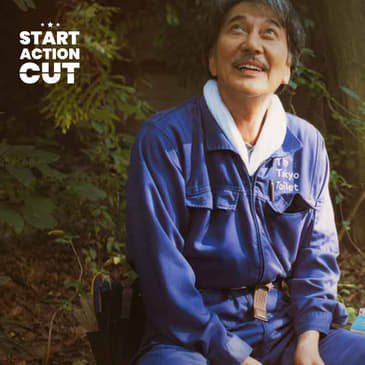
In this episode of Start Action Cut, Swathi, Sajesh and Padmakumar are analysing the English movie Perfect Days directed by Wim Wenders. It's a co-production between Japan and Germany and the film stars Koji Yakusho in the lead.
See omnystudio.com/listener for privacy information.
[00:00:00] Hi, Welcome to Onmanorama Movie Podcast, Start, Action, Cut. Today we are decoding the movie Perfect
[00:00:19] Days directed by the German filmmaker Wim Wenders from the script written by Wenders himself and
[00:00:27] Takuma Takasaki. It's a co-production between Japan and Germany and the film follows a routine life of
[00:00:36] Hirayama, the protagonist, a public toilet cleaner in Tokyo. Swati and Sagesh are joining us to discuss
[00:00:45] the film. So Sagesh, the film I think promotes, I mean the central theme is a center like philosophy
[00:00:54] and the movie shows the life when the movie shows the life of Hirayama, the protagonist played by
[00:01:02] Koji Yakusho. The central character has been living for a long time in a city doing the same job
[00:01:09] and how long he has been living that life is quite evident from the suggestive elements in
[00:01:15] the movie. So Hirayama is a long monotonous life, there is nothing new that he does yet each day is
[00:01:25] fresh for him. So there is a meditative aspect about the film about the storyline. How do you
[00:01:31] think? What do you think? Pagmumar, this is a perfect choice for Start, Action, Cut,
[00:01:37] Perfect Days. Two words that you used one is as an like philosophy and the meditativeness
[00:01:43] so those are the two words that precisely explain this movie. So like you said, I slightly disagree
[00:01:56] with the way the word you used monotonous because it's a meditation session and each day we see of
[00:02:07] Hirayama it's unique, it's profound though it is the same thing that we are seeing like you know he
[00:02:15] waking up, watering the plant, he taking out his coffee from the dispenser and then going to clean
[00:02:22] the toilets all around the area assigned to him but each day is unique, each day is profound
[00:02:32] so it's like a meditation. So yeah that's the apt word you used and that's what I felt watching the
[00:02:40] movie. Pagmumar, for me the movie was like reading a Murukami book it's just a very
[00:02:46] sent feeling that you get while watching it. Contentment I think that's the word. I felt
[00:02:51] like the movie is telling us to take a second breathe and just slow down in life like
[00:02:55] Aalto De Roy's book The God of Small Things. Perfect Days also shows us the life of a man
[00:03:00] who's a god of small things, he finds comfort in the smaller details of life. He's a toilet cleaner
[00:03:06] but he's a very content man. One might even wonder how can someone be like that? It's
[00:03:12] like peaking into this man's life and we wish we could just get off from the rat race that
[00:03:17] we are part of and would just want to be like this man at least for one day which might not
[00:03:22] even seem possible for us. He is someone who takes great pride in his work, leads a very
[00:03:27] simple and structured life. He loves nature and I guess the movie talks about a profound connection
[00:03:33] with nature. There's a part in the movie where Hirayama agrees that a tree is his friend.
[00:03:39] I thought there's nothing more send than that like you know to have a tree as your friend it's
[00:03:43] very you know calm in a lot of ways. There's this concept called earthing also if you know
[00:03:48] it's like you know if you walk bare feet on earth or on the grass you connect with
[00:03:55] you connect with earth. I guess the movie sort of gives you that kind of a feeling it's just
[00:04:00] very calming so the movie for me was like a stress buster. Yeah, yes true. It's a simple
[00:04:06] narrative that goes on a straight line there are not many complications or emotional highs
[00:04:13] or lows but still you feel a trance you are immersed in the film you are immersed
[00:04:19] in the life of Hirayama that you seldom get distracted and the happiness the joy that he finds
[00:04:27] in simple things is transpired to you. So that's why I think this is an infectious movie so what do
[00:04:36] you say about its narrative the narrative and the message it conveys? Satyesh? In a way I felt
[00:04:46] that it draws a picture of Japan similar to what Hayawo Mizayaki's anime is draw so it's almost
[00:04:58] meditative it is almost out of the world. It may not be the actual picture but it is a picture
[00:05:04] that makes you fall in love with Japan and it only shows might not be right when I say it like
[00:05:10] that but it shows that you know the beautiful parts of Japan or the people there so and you
[00:05:18] enjoyed so no complaints about that. So that's what I felt it also gives you a feeling of that series
[00:05:26] midnight diner where the master chef keeps on cooking and the setup is same like inside his
[00:05:35] diner and here it is you know where all you are looped in you go from his house to the world
[00:05:44] outside but from one toilet to the other and then you circle all the way back to his place.
[00:05:51] So but in that time you get a view of bird's eye view of Japan what wonders wants you to see
[00:06:00] so and you enjoy it so there is no complaint about that part of it. So Adi there is a simplicity
[00:06:07] of the narrative but with respect to the that simplicity the message it conveys the impact
[00:06:13] it creates is not that simple so how would you analyze it? So Patmokuma the movie like
[00:06:18] he said has a very simple storytelling method or approach for this man every day is the same
[00:06:25] he does the same things every single day and there's no change in his schedule. I was wondering
[00:06:30] all throughout wouldn't one get bored or tired or just depressed doing the same things over and over
[00:06:35] again and he's someone who doesn't talk much too so I was like probably he enjoys his own company
[00:06:40] more than anybody else's so it's not like he's unhappy with other people around it's just
[00:06:45] that he keeps his boundaries and all of this is shown very subtly and I think that's the
[00:06:50] beauty of the whole movie like I said before the movie gives you a feeling like having read a good book
[00:06:56] it stays with you you'll feel happy and sad and I don't know a lot of emotions would probably run
[00:07:01] by you everything about this man is aesthetically pleasing is what I felt be it his cast it's his
[00:07:07] second hand books or the way he keeps his apartment everything actually and also
[00:07:12] about the way Japan is portrayed I can only remember Japan with all the cherry blossom
[00:07:16] seasons and the bright lights and everything and this Japan that you see in the movie was
[00:07:20] entirely different and that was also aesthetically pleasing was like really calming it was really
[00:07:26] you know it was like you know doing some mandala art or something was like really pleasing.
[00:07:32] Patmuma what Swati said about the second hand books and the cassettes that reminded me of
[00:07:37] something so Hirayama the character is resembles more like his friend the tree and he his philosophy
[00:07:47] is about sustainability like you know reusing or going back to the roots or enjoying what be
[00:07:55] the slow pace of life like a tree how it grows and you know spreads its branches and gives
[00:08:02] a large shade where you can go and sit in the afternoon and have a lunch break so it's like that
[00:08:09] so the character is very much similar to his friend rather his friends the trees that's what I felt
[00:08:17] so when Swati pointed out about the books that's when it struck me this is what you know I felt
[00:08:24] while watching. And also when you talk about sustainability one more thing is there I mean
[00:08:30] for his work he uses his van for the job but for his own travel he uses a bicycle so that's another
[00:08:39] aspect there are so many aspects which highlight this going back to the roots and still you can
[00:08:46] remain content as Swati earlier said. I think Patmuma like we discussed before the simplicity
[00:08:52] of the movie is its biggest brilliance through the movie the way Hirayama lives seems very
[00:08:57] spiritually rewarding right to make a viewer feel like you know that it I guess it takes a lot of
[00:09:03] attention to detail which has evidently gone behind this movie we get a sneak peek into
[00:09:08] Hirayama's life through the music he plays he listens to 60s and 70s American and British
[00:09:13] rock music if I'm not wrong he feels very peaceful he's a man who reads and minds his own
[00:09:19] business and certainly the movie suggests that he might have had a more privileged life before
[00:09:24] this which he might have given up for the kind of life that he's leading now for him this is the
[00:09:30] sand life so there are all these smaller details which that we pick up from the movie there is
[00:09:36] something about everything in this movie that has some aesthetic value also like I said before
[00:09:42] even the toilets display some kind of an architectural brilliance one thing is if
[00:09:46] the same story was set in India the movie would not have been like this I was thinking
[00:09:51] all throughout he can lead a life like this it's only because it's Japan and if the same story was
[00:09:56] set in India he was he was a bathroom cleaner in India he would have a terrible time and nobody
[00:10:02] can live a sand life like that in India so I think a lot of calmness and the peace comes
[00:10:07] from the fact that the movie is set in a different country and the settings there are different
[00:10:12] all the toilets are extremely clean and it's all well maintained and he just have to you
[00:10:17] know clean it clean what is already clean so I think that was one point I really wanted to
[00:10:22] point out and also I would like to point out one more thing that I had forgotten to mention before
[00:10:29] is that when you see him he has the habit of clicking pictures using his vintage camera
[00:10:34] and then storing those snaps when he opens a cupboard you see that there are hundreds of
[00:10:41] tin chases in which he had stored it before so that shows how long he had been leading that kind
[00:10:48] of a life so Sagesh would you like to share any moments that still haunt you? Patmuma the points
[00:10:56] that you both brought up were extremely striking so I'll start with one the opening scene one of
[00:11:05] one portion from that opening sequence when Hirayama wakes up he wakes up with a deep sigh
[00:11:12] and that gave me a feeling that there was something melancholy or you know a sadness from his past life
[00:11:18] or maybe the loneliness but that wades away slowly as he gets on with this routine and comes to
[00:11:28] watering the plants that he has set up in his home and that's where you see the first smile coming out
[00:11:34] and then when he gets out and he looks up at the sky and the trees nearby his face lights up so
[00:11:42] those are the moments that you know that is when I felt that okay I was at ease because I didn't
[00:11:48] know what to expect from the movie I didn't read read upon this movie before so I thought
[00:11:53] that you know it's going to be going to narrate the story of this person's loneliness or you know
[00:12:00] his sad past or whatever it is because that deep sigh that is what it told me then there is no wonder
[00:12:09] Koji Yakusho won Best Actor Award at Cannes because the way he portrayed this janitor's role
[00:12:19] there was no hesitance there was no second thought there was no reluctance that you see
[00:12:25] or there was no hiccup in his actions they were spontaneous it was like a person who has
[00:12:32] been doing this all his life repeating what he was you know doing all what he was doing every day
[00:12:41] so it had this meditation in motion kind of I'm sorry I keep coming back to this word
[00:12:47] meditation because that's the most relatable word for me so it felt like a meditation in motion
[00:12:54] and then there are a lot of like you pointed out those were all beautiful moments created by
[00:13:00] Vim Wander's and the one which struck me which even brought a bit of tears in my eyes
[00:13:07] that was when on that highway he runs out of petrol and then he takes out his cathet or
[00:13:13] he gets out and you know he stands on the road thinking what to do and then in his pocket
[00:13:20] he finds that cassette so we know that you know he goes back he will go back and then
[00:13:26] sell it and then come come back and pour petrol and go and you won't see you will only see
[00:13:32] Vim Wander's let us see only him walking away from the van and then we see or when
[00:13:40] then repeat then all we see is the van going off on the highway that too from a long shot
[00:13:47] from a distant shot so you know what happened in between so one of his most precious cassette he
[00:13:55] went there and he sold it to buy petrol so these are the moments that make you feel like I don't
[00:14:02] know what the feeling that involves in you but you know this is what or maybe
[00:14:11] vendors didn't show Hirayama because they know what he is going through and he didn't want to show us
[00:14:17] what the pain are so yeah those are some of the beautiful moments especially this one was
[00:14:25] the best for me and about one point that Swathi said I disagree with the toilet part of
[00:14:33] in India it's not about the beauty of maybe it might be about the beauty of the structure or he
[00:14:41] vendors wanted to show the entire world how Japanese people keep their places
[00:14:48] how they keep their places and all but I don't know if this Hirayama was set in or Hirayama was
[00:14:56] person in India a janitor in India and if this person had the same kind of a character
[00:15:02] I believe that this person would go around cleaning the toilet in the same way in the
[00:15:08] same kind of a fashion in the same kind of a passion without minding about or the dirt and
[00:15:15] the setup of or the condition of our toilets would come in between him and his job because that's not
[00:15:24] Zen then going around cleaning a clean toilet he's not the Zen part of it it is the Zen part is actually
[00:15:32] loving what you do that was it so I feel that you know I slightly disagree there with Swathi
[00:15:40] and when it comes to his performance it's not that he's a weathered soul insensitive to the
[00:15:46] world around him he has emotions pathos compassion love at every human feelings what makes him
[00:15:55] different is that his passion to passion for joys from simple things he does and experiences
[00:16:01] everyday in life and he moves on and look at the job he does cleaning the public toilets
[00:16:08] in the city it's not something very dignified yet the way he is committed to it with the dedication
[00:16:15] is what is enticing so the precision he applies to it like using a tiny mirror to check the
[00:16:21] stains and areas of the commode where his eyes cannot reach so such things what he does his
[00:16:28] dedication to what he does and his dedication to the simple things simple joys of life he never
[00:16:34] misses that the way he enjoys his lunch for his drink in the evening so all those things is what
[00:16:41] makes him perfect what do you say about the performance Swathi so coming to his performance
[00:16:46] I think Koji Akusho as Hirayama is the soul of the movie he was just amazing his character is
[00:16:52] the representation of how we as humans should find happiness or contentment in smaller things
[00:16:57] like I said so every day he gets up and while stepping out for work he smiles when we see
[00:17:02] that I think it would just inspire us to relax a bit and I think Koji really got into the skin of
[00:17:07] Hirayama and it would just it was just wonderful to see a man maybe in his 60s just living his
[00:17:13] best life the thing is that life might not be ideal for everyone but for him it is I felt like
[00:17:18] while watching the movie we were just following him around he seems very familiar his character
[00:17:23] only has a very few lines in the movie and mostly he keeps quiet so it is through his
[00:17:28] minor actions and gestures that we understand him better as a person for example if he is not
[00:17:35] bothered by anything yet he's a very emotional person also he's you know affected by the smaller
[00:17:40] things smaller details the trees the plants the birds I think to pull off such a character it
[00:17:45] must have been difficult and I think Koji Akusho did a really commendable job at that.
[00:17:50] Patmumar where I had a problem with the Wim Wenders as a director was his decision to
[00:17:55] use a cut shot in between while using jump cuts in a beautiful way like a poetry to show
[00:18:04] Hirayama cleaning the toilets he cuts away or he opts to not cut away but he opts to
[00:18:13] a different shot I felt like you know you were reading a poetry and the page just turned
[00:18:18] by a window something and it just throws you out of it that is what I felt maybe it's again
[00:18:25] a director's call but as a viewer I felt that you know if he had maintained the jump cuts instead of
[00:18:33] going into a different shot I would have enjoyed it more but me enjoying it is just a
[00:18:39] minor part of it but then yeah that's where I had a bit of difference with the director.
[00:18:46] There are many philosophies and many messages in this movie but what I would like to draw from
[00:18:54] this film that is Perfect Days is that any job is a great job but the distance you go
[00:19:00] in pursuit of perfection is what makes the difference. Movie is now available on the
[00:19:07] OTT platform movie so that brings us to the end of this episode thanks for listening to
[00:19:13] Start Action Cut produced and hosted by me Pat Mughamal with technical production by
[00:19:18] IDA Brew Studios follow www.oldmanorama.com for more podcasts on movies and be sure to come back
[00:19:25] for the next episode of Start Action Cut that will be out on the next Monday thank you.