
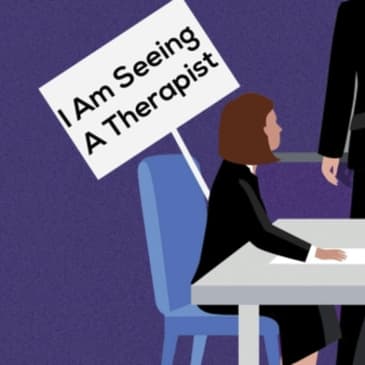

But when it comes to making that routine trip to one’s psychologist, not everyone can be that confident and matter-of-fact about it.
Learn more about your ad choices. Visit megaphone.fm/adchoices
[00:00:03] Workplace Mental Health, Getting Over Log Kya Kahenge And Seeking Help, Papridas When you need to take time off work for mental health reasons, supporting return to work success, how to file a stress leave at work. If you find yourself surfing through the web and
[00:00:25] reading these articles, you probably already know that you will once again miss the visit to your therapist this week. You must be thinking, no number of how-do articles will ever prepare me to deal with my extra Khadoos manager and get me that day off. When
[00:00:41] you catch a bad cold or have an appointment with your banker, you ask for half a day or a sick or casual leave, quite naturally. But when it comes to making that routine trip to one's psychologist, not everyone can be that confident and matter of fact about
[00:00:58] it. Even when it should be a no-biggie. Given that at least on paper and with what laws are in place, there is more awareness within companies as Dr. Kamna Chibber points out. And I quote,
[00:01:29] It is definitely not the norm that a working professional will proactively talk to their respective manager to address their mental health issues. Often it is not because of what the manager would say or if they would understand but their own reservation and discussing
[00:01:59] something that is private in nature. And then of course there are some who won't talk about it because of the stigma attached to it. It's a long road to go before it's fully destigmatized. Having said that, Dr. Chibber feels positive about the steps that have been already taken
[00:02:17] in this regard thanks to actively taking part in awareness programs and campaigns to destigmatize mental health issues. Corporations and workplaces have done a great deal in recent years so employees don't feel insecure and intimidated to come forth to seek help. After
[00:02:37] all, cutthroat competition and high pressure for performance in workplaces are one of the major reasons of stress and anxiety among young professionals. Need more participation. But how effective are these workshops and do employees actively get involved beyond the
[00:02:59] surface? Generally speaking in India, the participation in the workshops, seminars and other re-repeat. Generally speaking in India, the participation in workshops, seminars and other sessions related to mental health awareness may be just a routine exercise for employees.
[00:03:22] Turn up, some just turn up because the multiple mailers that we send observes, Tanzin Afrain Begum who works as an HR talent acquisition for Apollo Munich. In India they don't think too deeply about it. The stress they are facing, why they
[00:03:37] are being anxious, if they need a professional's help etc. The health insurance company that I am currently working for has wellness programs for employees that include hair care, dental consultation with a nutritionist etc. If one were to tally the employee
[00:03:51] attendance participation data among these various free consultation arranged by the company, sessions with counselors aren't as popular as per Hussein's observation. All is not rosy. We also have to heed extra caution in how we present these sessions
[00:04:12] to the employees assuming that many are not sensitized to it. Often open association with mental health issues discourages them to participate due to the stigma and judgment attached. They get embarrassed to walk into such sessions and end up not getting the right help.
[00:04:29] Say Tanzin Afrain Begum. Admitting emotional vulnerability to a Kali or someone who judges your performance can't be easy even in a relatively liberal and open minded workspace as this media professional points out.
[00:04:44] When I quote, as a person diagnosed with anxiety disorder there are times I get terrible panic attacks because of certain triggers. I do take my anti-anxiety pills only when needed but while going through it at work it gets really difficult. It gets worse as I feel
[00:05:03] what if my colleagues judge me for these mental breakdowns? Says Parthavi Singh. Parthavi Singh explains that having a great culture at work doesn't help much till our mental health issues become something we can easily talk about with our seniors without
[00:05:18] feeling that they might consider it a threat to the work we deliver even when it's not a threat. Dr. Chibber reinforces that having mental health issues doesn't directly relate to underperformance. In fact in a sensitized environment it is quite possible to detect, diagnose and
[00:05:36] redress issues while maintaining a perfectly functional work life. There are treatments and programs that take into account a person's daily life and it is customized according to the patient's need. Obviously if the situation becomes
[00:05:50] severe or it is detected late then it takes longer time to heal as well. Dr. Chibber adding, but for the most part if you are seeking help at a time when you have
[00:06:02] begun to experience such issues it is possible to ensure that the treatment does not mar your work or professional life. Chibber suggests to look out for symptoms that compromises your ability to function well. Anything that causes distress or stress that is lasting for several days. That
[00:06:21] being said there is no general one way to detect mental health vulnerabilities and hence it is advisable to seek help actively. Several institutions are also looking to set up helplines to encourage people to anonymously seek help if needed.
[00:06:37] When it comes to addressing mental health issues in workplace we allow them anonymity through an app. It offers them a quick and private means to seek help. It connects them to a ready list of professionals covering a range of issues and
[00:06:51] employee can seek a free consultation from any one of them all anonymously. From managers to trainees says Hussain adding that the numbers are speaking in favor of this app-based program. We collect data from professionals listed on
[00:07:07] the app to assess the end of the month. According to those results almost 30% of users have used it to ask queries or meet the professionals. While their identities and specific issues stay with the respective counselors the general
[00:07:23] feedback to us and the manager help us create a healthier and stress-free work environment. But for issues that have prolonged and need more attention than a general visit to counselor it is not bad idea to take
[00:07:36] an extended leave to heal and then return back to work. India does not have a mental health specific leave but as Dr. Chibber points out one can always take a delegated sick leave for the same purpose. A social media thread
[00:07:51] by an employee regarding taking mental health leave started a conversation both in the US and here in India last year. While Indian workplaces have a long way to go in effectively addressing these issues both who said
[00:08:04] and Dr. Chibber believe a major step forward would be to address the fear of what people will say when office scores overcome their fear and that we need to normalise the issue. Treating mental health issue should be as simple and obvious as treating any physical ailment.