
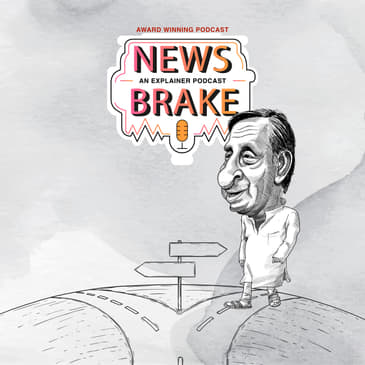
In this episode, we listen to former bureaucrat-turned-politician Mani Shankar Aiyar discuss his book, The Rajiv I Knew: And Why He was India’s Most Misunderstood Prime Minister at Manorama Hortus. Joining him is Mandira Nayar, former Deputy Bureau Chief at The Week.
See omnystudio.com/listener for privacy information.
[00:00:04] Hi and welcome to News Break. I am Harita Benjamin.
[00:00:08] So this is an exciting week here at the Malayala Manorama as we celebrated the grand success of Manorama Hortus, a culturally rich three-day festival in Kerala's Khorikod.
[00:00:20] Held across more than eight venues at the beautiful Khorikod beach, the festival hosted around 400 writers, speakers and artists from across India and abroad.
[00:00:31] So this week, News Break brings you one of the many engaging conversations from Hortus.
[00:00:38] In this episode, we listen to former bureaucrat turned politician Manish Shankar Aiyar discuss his book, The Rajiv I Knew and why he was India's most misunderstood Prime Minister.
[00:00:51] Joining him is Mandira Nair, former Deputy Bureau Chief at The Week.
[00:00:56] Good morning. It's wonderful to be here in clear blue skies and AQI 39.
[00:01:04] We come from Delhi where of course, as you know, we gasp for air.
[00:01:08] So it's really lovely to be here and it's lovely to have Mani Saab here.
[00:01:13] And I wanted to start off with saying that, you know, in the profess of the book, you say that you were a reluctant writer, Chikki Sarkar.
[00:01:22] You were a reluctant writer and your publisher, Chikki Sarkar had to sort of persuade you to write.
[00:01:29] And now you have three volumes of your memoirs, you know, from not being able to write to filling up three volumes.
[00:01:36] Can you take us through the journey, please?
[00:01:38] The conversation you refer to took place in 2013.
[00:01:43] And I didn't start writing till 2020.
[00:01:47] Yeah.
[00:01:48] And the reason why I started in 2020 was COVID.
[00:01:52] Yes.
[00:01:53] So at one stage, I intended to dedicate the books to COVID-19.
[00:01:58] Well, lots of books like that.
[00:02:00] But people were horrified at that situation.
[00:02:02] Yeah.
[00:02:02] So I changed it.
[00:02:04] Yes, I was extremely reluctant to write it because I've achieved nothing.
[00:02:09] I mean, what is there for me to write about?
[00:02:13] I've just been at Sharmista Mukherjee's book discussion on her father.
[00:02:20] You compare his achievements with my failures.
[00:02:24] But I think it's not really, I mean, and I think what is wonderful about your volumes is that it isn't really about, I mean, I think also how do you look at achievement and not achievement?
[00:02:34] Yeah.
[00:02:34] Isn't public life also achievement?
[00:02:36] And I will go back to you being in some ways a pioneer of public diplomacy, but we will talk about that later at your stint.
[00:02:44] But it's also about chronicling.
[00:02:47] And I think what is exciting really about publishing right now is that the chronicles of life of people lived experience.
[00:02:56] And I think that's really important.
[00:02:57] And I think you have wonderful lived experience.
[00:03:00] So why not that?
[00:03:01] Well, if I was going to write an autobiography, I had to take account of the first 40 years or so, 42, 43 years, when I was not involved at any high level of government.
[00:03:18] I was just a regular diplomat, a civil servant.
[00:03:23] And I felt that I could not introduce my political life until I had explained my background.
[00:03:32] So that background became my first 50 years.
[00:03:36] Because by a coincidence, I was set up as a candidate just a few days after my 50th birthday.
[00:03:47] I was elected a member of parliament soon after my 50th birthday.
[00:03:52] And I lost Rajiv Gandhi just before the election in 1991.
[00:03:58] He was my patron.
[00:04:00] He was the one who had inducted me into the service.
[00:04:02] So I suddenly found myself with total achievement as far as entering parliament is concerned and a completely uncertain future.
[00:04:14] Because the only reason I had opted to come into politics was the Patridesian friendship of Rajiv Gandhi.
[00:04:23] Yeah.
[00:04:24] Who was three years younger than me at school.
[00:04:26] Yeah.
[00:04:27] And therefore, I didn't know him.
[00:04:28] But of course, he knew me.
[00:04:30] Yeah.
[00:04:31] And then we…
[00:04:33] We…
[00:04:34] In Cambridge, he was the rich guy who was taking his girlfriend out to the best restaurants.
[00:04:40] And I was looking for a girlfriend who cooked for me.
[00:04:43] I was so poor.
[00:04:45] So we had nothing to do with each other.
[00:04:47] And completely unknown to me, Rajiv brought me into the foreign… into the Prime Minister's office.
[00:04:56] Yeah.
[00:04:57] About a month after he was elected with a huge majority…
[00:05:02] Huge majority, yeah.
[00:05:03] An unprecedented majority.
[00:05:05] And I went to work for him in a slightly cynical mode.
[00:05:11] Thinking, well, I'll try and teach this idiot a few things.
[00:05:15] Yes.
[00:05:16] But when I actually started working with him, I found he was a factory of ideas.
[00:05:22] Whatever he saw, whatever he heard, he would immediately link it to some project that he wanted to undertake.
[00:05:32] Okay.
[00:05:33] And eventually, I rose from being his manager tours and travels…
[00:05:38] Yeah.
[00:05:39] That was my first job.
[00:05:40] Okay.
[00:05:41] …into being his sounding board for ideas that nobody else, certainly at the official level at BMO, was willing to accept.
[00:05:51] For I was thrilled with his project for a constitutional amendment on Panchayati.
[00:05:58] And that, Mr. Aluwalia in particular, but all the others…
[00:06:04] Yeah, I think…
[00:06:04] I thought it was an eccentric idea that I had foisted on Rajiv.
[00:06:09] Uh-huh.
[00:06:09] Equally, he was very, very anxious and interested in seeing that our cultural…
[00:06:17] Yes.
[00:06:17] …Renaissance that had taken place under Jawaharlal Nehru and Indira Gandhi should reach the people of India…
[00:06:24] Yeah, the zonal culture…
[00:06:26] …and the zonal cultural centers.
[00:06:28] So, I got very excited at that idea and most people thought I was mad.
[00:06:32] I should be dealing with relations with Washington…
[00:06:36] …with Moscow…
[00:06:38] …I heard I was saying I want to go to villages and show them in Haryana, for instance…
[00:06:46] …what is Karnataka culture.
[00:06:47] A Kerala to Sikkim.
[00:06:50] Bring Sikkim to Kerala.
[00:06:52] I found that such an exciting idea.
[00:06:54] So, I ultimately found a mish in the Prime Minister's office as being the eccentric guy who was very fond of Rajiv Gandhi's eccentric plans.
[00:07:07] That's…
[00:07:08] So, now I happen to establish a relationship which enabled me to then make the leap from diplomacy into politics.
[00:07:16] But I wanted to talk to you about…
[00:07:18] …you know, you said that when…
[00:07:19] …when Rajiv Gandhi first comes, you're not necessarily his first…
[00:07:24] …you know, you were reluctant to accept him and I think you write that even in the book and then…
[00:07:29] …the Sikh…
[00:07:30] …and you say one thing about the Sikh riots and you said in the book that if…
[00:07:35] …if Rajiv Gandhi had apologized for the Sikh… for 84, things would have been different.
[00:07:41] Well, whenever I talk about Rajiv Gandhi, my opponents… and they are numerous…
[00:07:50] …especially from the Sikh community…
[00:07:52] …they want to know how do I justify the Sikh program.
[00:07:58] Well, the first clarification I give is that the Sikh program took place when I was not in PMO.
[00:08:07] When I had decided that I would vote against the Congress and I would vote against Rajiv Gandhi…
[00:08:15] …for what had happened to the Sikh community.
[00:08:19] After all, 3,000 of them, innocent people, had been killed in what was the worst massacre…
[00:08:27] …of a minority that independent India had ever seen.
[00:08:31] So, I was only looking at it from the outside.
[00:08:35] But when I was in PMO, I discovered something that I did not know…
[00:08:42] …and the general public perhaps does not know.
[00:08:45] It is that he had entrusted the control of the riots to the most senior minister…
[00:08:55] …in Indira Gandhi's cabinet…
[00:08:58] …who was not Pranam Mukherjee…
[00:09:00] …it was P.V. Narasimha Rao.
[00:09:03] P.V. Narasimha Rao was the home minister…
[00:09:06] …but God had made him not with a skin…
[00:09:10] …but with Teflon.
[00:09:11] So, no Sikh commentator that I know…
[00:09:15] …no adverse opinion that I know…
[00:09:18] …has ever questioned the role of P.V. Narasimha Rao…
[00:09:23] …as home minister in this rioting…
[00:09:28] …or rather this pogrom.
[00:09:29] Equally, the lieutenant governor of Delhi…
[00:09:33] …was one Mr. R.S. Gabbai…
[00:09:35] …a very senior civil servant.
[00:09:39] Nobody has blamed him…
[00:09:41] …but after Rajiv Gandhi saw…
[00:09:44] …on the 1st and then the 2nd of November…
[00:09:48] …that these two guys were completely incompetent…
[00:09:54] …and incapable of taking any decisions…
[00:09:57] …they hadn't even called out the army…
[00:10:00] …and the Indian army had a camp in Delhi Contournement.
[00:10:05] Twelve years later…
[00:10:08] …I met Major General Jamwal…
[00:10:10] …who was the commandant of the unit in Delhi…
[00:10:14] …and he told me…
[00:10:15] …that because the government of India…
[00:10:18] …wanted to prevent a Kudita from taking place…
[00:10:23] …the unit in Delhi…
[00:10:25] …was always kept below strength…
[00:10:28] …and the idea was…
[00:10:30] …that if the army had to be called out…
[00:10:33] …they would be called in from Meret…
[00:10:36] …which is only 40 kilometers or so away.
[00:10:40] So, they could have called in the army…
[00:10:42] …they didn't.
[00:10:43] They could have recommended to the Prime Minister…
[00:10:46] …that he call in the army…
[00:10:47] …they didn't.
[00:10:48] So, when Rajiv found…
[00:10:50] …that his two principal advisors…
[00:10:53] …the Home Minister of India…
[00:10:56] …and the Lieutenant Governor of Delhi…
[00:10:59] …were just…
[00:11:00] …it was just beyond their capacity…
[00:11:03] …he then brushed aside security…
[00:11:07] …and drove his own car…
[00:11:10] …to the most affected areas…
[00:11:13] …including pocket 32B…
[00:11:15] …of Trilogpuri…
[00:11:17] …where a huge massacre had occurred…
[00:11:20] …and he came back…
[00:11:22] …and ordered himself…
[00:11:24] …the Indian army to come in…
[00:11:26] …and the Indian army came in the next day…
[00:11:29] …and they controlled the riots.
[00:11:31] So, far from blaming him…
[00:11:34] …for running this thing…
[00:11:37] …it was he who stopped it.
[00:11:39] So, when…
[00:11:41] …on the 19th of November…
[00:11:44] …which is Indira Gandhi's birth anniversary…
[00:11:47] …he made a speech…
[00:11:49] …in which he said…
[00:11:52] …among several other things…
[00:11:53] …it was a kind of throwaway line…
[00:11:56] …which some people attributed to…
[00:11:58] …Javed Akhtar…
[00:12:00] …he said that when…
[00:12:03] …the earth shakes…
[00:12:05] …then the big tree falls…
[00:12:07] …and this was taken…
[00:12:08] …as his excusing…
[00:12:10] …the rioters…
[00:12:12] …but if you look at the total of that speech…
[00:12:15] …in the line before he says it…
[00:12:18] …he says it's a disgrace…
[00:12:20] …to Indira Gandhi…
[00:12:22] …that all these people were killed.
[00:12:24] He says that no blood should flow…
[00:12:27] …he has quoted Indira as Gandhi saying…
[00:12:30] …don't shed blood…
[00:12:32] …shed hatred.
[00:12:33] So, if you put it in context…
[00:12:37] …you can see he was making…
[00:12:38] …a factual statement.
[00:12:41] But those who are interested…
[00:12:43] …in denigrating Rajiv Gandhi…
[00:12:45] …and there were many…
[00:12:46] …because you can't win 404 seats…
[00:12:49] …which grows to 440…
[00:12:52] …without disappointing a lot of people.
[00:12:54] And all those people…
[00:12:56] …cotton onto this one line…
[00:12:58] …especially when Atal Bihari…
[00:13:01] …ha-ha-ja-japai…
[00:13:02] …said…
[00:13:03] …Rajiv Gandhi's got it wrong…
[00:13:05] …it's not when the earth shakes…
[00:13:07] …that a big tree falls…
[00:13:09] …it is when the big tree falls…
[00:13:11] …that the earth shakes…
[00:13:12] …ha-ha-ha-ha-ha-ha…
[00:13:14] …and this became…
[00:13:15] …the…
[00:13:16] …the light motive…
[00:13:18] …of the…
[00:13:19] …of the abuse…
[00:13:21] …that was directed at Rajiv…
[00:13:24] …with the result…
[00:13:25] …that the full title of my book…
[00:13:28] …is not the Rajiv I knew…
[00:13:30] …the full title is…
[00:13:31] …the Rajiv I knew…
[00:13:34] …and why he was…
[00:13:35] …the most misunderstood…
[00:13:38] … Prime Minister…
[00:13:38] …Prime Minister…
[00:13:39] …of India…
[00:13:39] …so…
[00:13:40] …that is what the book is about…
[00:13:43] …his achievements…
[00:13:45] …his failures…
[00:13:46] …I have been…
[00:13:47] … brutally frank…
[00:13:49] …about what I think…
[00:13:50] …was a mistaken decision…
[00:13:52] …to send the IPKF…
[00:13:54] …to Sri Lanka…
[00:13:55] …yes…
[00:13:55] …but I don't…
[00:13:56] …they don't think…
[00:13:56] …that was a mistake…
[00:13:58] …the mistake was…
[00:13:59] …that when the LTT…
[00:14:01] …opened fire…
[00:14:02] …on the IPKF…
[00:14:03] …he should have either…
[00:14:05] …negotiated a truce…
[00:14:06] …with the LTT…
[00:14:09] …or…
[00:14:09] …and he could have done it…
[00:14:10] …by threatening…
[00:14:12] …to withdraw the IPKF…
[00:14:14] …then the LTT…
[00:14:15] …would not have acted…
[00:14:16] …and if the LTT had continued…
[00:14:18] …he should not have…
[00:14:20] …endangered the lives…
[00:14:21] …of Indian soldiers…
[00:14:22] …I have said it all…
[00:14:23] Yeah…
[00:14:24] …but at the same time…
[00:14:25] …I have pointed out…
[00:14:27] …that it was he…
[00:14:28] …who solved within…
[00:14:31] …seven months of becoming…
[00:14:32] …Prime Minister…
[00:14:33] …the most difficult problem…
[00:14:36] …that Indira Gandhi had faced…
[00:14:38] …it was created in Moraji Desai's time…
[00:14:41] …and neither Pranam Mukherjee…
[00:14:43] …no PC Alexander…
[00:14:44] …no any of the big people there…
[00:14:48] …could solve the problem of Punjab…
[00:14:50] …until Rajiv…
[00:14:52] …went to…
[00:14:54] …the border of Pakistan…
[00:14:56] …to honor the memory of Bhagat Singh…
[00:14:59] …and put out his hand of friendship…
[00:15:02] …to Sant Longowal…
[00:15:04] …and negotiated an agreement with him…
[00:15:07] …which ended…
[00:15:08] …the rioting…
[00:15:10] …and murder…
[00:15:11] …and massacres…
[00:15:13] …that were taking place…
[00:15:14] …in Punjab…
[00:15:17] …when I went to Punjab at that time…
[00:15:19] …I came back…
[00:15:20] …and Delhi people were amazed…
[00:15:22] …I went to Punjab…
[00:15:23] …we went to Punjab…
[00:15:24] …because to go to Punjab…
[00:15:26] …was to invite an assassin's bullet…
[00:15:29] …but there were various reasons…
[00:15:30] …why I had to go…
[00:15:31] …so I went…
[00:15:32] …and here was Rajiv…
[00:15:34] …pressuring aside everybody…
[00:15:37] …forgetting the fact…
[00:15:39] …that his mother had been massacred…
[00:15:41] …by two Sikh bodyguards…
[00:15:43] …whom she had retained…
[00:15:45] …because she told security…
[00:15:47] …I will not remove…
[00:15:49] …Sikh security guards…
[00:15:51] …from my detail…
[00:15:52] …because that would show…
[00:15:54] …a lack of faith in the Sikhs…
[00:15:56] …and here was Rajiv Gandhi…
[00:15:58] …who sorted out…
[00:15:59] …not only Punjab…
[00:16:01] …but also Assam…
[00:16:02] …Mizoram…
[00:16:03] …also…
[00:16:04] …later on…
[00:16:06] …just a year later…
[00:16:09] …Mizoram…
[00:16:09] …then he went on…
[00:16:10] …to handle Darjeeling…
[00:16:12] …every one of these…
[00:16:14] …restored peace…
[00:16:16] …in a fractured country…
[00:16:18] …which he had inherited…
[00:16:20] …from Indira Gandhi…
[00:16:21] …and I think we should give…
[00:16:23] …due credit for that…
[00:16:25] …most of all…
[00:16:26] …I would give credit…
[00:16:28] …for what he did in Mizoram…
[00:16:30] …it is such a remote part of our country…
[00:16:33] …that most people…
[00:16:35] …think it is named after Lord Ram…
[00:16:38] …and they call it Mizoram…
[00:16:40] …it is not Mizoram…
[00:16:42] …Mi means…
[00:16:46] …Mountain…
[00:16:46] …Zo means people…
[00:16:49] …Ram means the people of the mountain…
[00:16:51] …yeah…
[00:16:53] …because when they went to live in the valley…
[00:16:55] …they got mosquito bites…
[00:16:57] …and they died of malaria…
[00:16:59] …so therefore they went into the hills…
[00:17:02] …so this Mizoram…
[00:17:03] …had been under insurgency…
[00:17:05] …for twenty years…
[00:17:08] …from 1966…
[00:17:09] …to 1986…
[00:17:11] …and that's because it shares a border…
[00:17:14] …with East Pakistan…
[00:17:15] …so Lal Dengar and his rebels…
[00:17:19] …would take refuge in East Pakistan…
[00:17:21] …yeah…
[00:17:21] …and then conduct border raids…
[00:17:24] …into Mizoram…
[00:17:25] …Rajeev…
[00:17:27] …and Rajeev…
[00:17:27] …said one thing to him…
[00:17:29] …it's exactly what he told…
[00:17:31] …the Akalis…
[00:17:32] …it's exactly what he told the Asu…
[00:17:34] …that…
[00:17:35] …you want power…
[00:17:36] …I'll give you power…
[00:17:38] …we'll hold an election…
[00:17:40] …even though it's not due…
[00:17:42] …and I'm sure you'll win…
[00:17:44] …so you come and prove…
[00:17:46] …that you've got…
[00:17:47] …the faith of the people…
[00:17:48] …so the Akali Dal…
[00:17:50] …came into power in Punjab…
[00:17:51] …the Asu…
[00:17:53] …came into power…
[00:17:54] …as the AGP…
[00:17:55] …the Osho…
[00:17:56] …Goro Porishan…
[00:17:58] …in Assam…
[00:17:59] …and Lal Dengar…
[00:18:01] …became…
[00:18:02] …the biggest rebel…
[00:18:03] …twenty years…
[00:18:04] …he became the chief minister…
[00:18:06] …of Mizoram…
[00:18:07] …and who was his deputy…
[00:18:10] …Lalthan Hola…
[00:18:11] …the congressman…
[00:18:13] …and for twenty years…
[00:18:15] …Lal Dengar…
[00:18:17] …had attempted to assassinate…
[00:18:19] …Lalthan Hola…
[00:18:20] …and yet…
[00:18:21] …he persuaded…
[00:18:23] …Lalthan Hola…
[00:18:23] …to accept this assassin…
[00:18:26] …as his chief minister…
[00:18:28] …and democracy was brought…
[00:18:31] …and today…
[00:18:32] …the most peaceful state in India…
[00:18:35] …despite…
[00:18:36] …all these refugees…
[00:18:38] …coming in from Myanmar…
[00:18:40] …is…
[00:18:41] …Mizoram…
[00:18:42] …so therefore…
[00:18:44] …his achievements…
[00:18:46] …have been simply obscured…
[00:18:49] …by a completely…
[00:18:51] …false allegation…
[00:18:53] …that he took money…
[00:18:55] …64 crore…
[00:18:57] …the present guy…
[00:19:00] …has…
[00:19:00] …6,000 crore…
[00:19:01] …from electoral bonds…
[00:19:03] …which are being contested…
[00:19:06] …in the Supreme Court…
[00:19:07] …anyway…
[00:19:08] …64 crore…
[00:19:09] …and he's announced…
[00:19:11] …that I have nothing to do with this…
[00:19:12] …he…
[00:19:14] …he…
[00:19:41] …he…
[00:19:42] …what do they remember…
[00:19:44] …about Rajiv Gandhi…
[00:19:45] …they say…
[00:19:46] …so he was the crook…
[00:19:47] …who took money on both of us…
[00:19:48] …it's quite untrue…
[00:19:51] …so that's why I wrote that book…
[00:19:52] …but…
[00:19:52] …yesterday when we were speaking…
[00:19:54] …and you know…
[00:19:55] …you also make two other…
[00:19:56] …comments about him…
[00:19:57] …which I thought were very interesting…
[00:20:00] …you said that…
[00:20:01] …two of his…
[00:20:02] …your…
[00:20:03] …well…
[00:20:04] …criticism…
[00:20:05] …it was…
[00:20:05] …one was…
[00:20:07] …Maldives…
[00:20:07] …because you said it…
[00:20:09] …set stone for the idea of…
[00:20:11] …Indian hegemony…
[00:20:12] …and the other thing you say…
[00:20:14] …was…
[00:20:14] …which was very interesting…
[00:20:15] …was that he had this vision…
[00:20:17] …for a nuclear-free world…
[00:20:18] …yet…
[00:20:19] …he was the one…
[00:20:20] …he sort of nodded…
[00:20:21] …can you talk a little bit about how…
[00:20:23] …Maldives has sort of led…
[00:20:25] …this belief about…
[00:20:26] …muscular…
[00:20:29] …diplomacy…
[00:20:29] …and what…
[00:20:30] …why you think…
[00:20:31] …that a nuclear-free world…
[00:20:33] …and you were very opposed…
[00:20:34] Let me first take Maldives…
[00:20:36] Yes, please…
[00:20:36] …because that's very important…
[00:20:37] Yes…
[00:20:38] …the Maldives elected president…
[00:20:41] …Gayum…
[00:20:42] …was overthrown…
[00:20:44] …in a military coup…
[00:20:46] …that was mounted from Colombo…
[00:20:49] …and undertaken…
[00:20:51] …by…
[00:20:52] …people who came on ships…
[00:20:54] …Gayum…
[00:20:56] …went into hiding…
[00:20:57] …and was able…
[00:20:58] …through his foreign minister…
[00:21:00] …to get through to Rajiv…
[00:21:03] …to say…
[00:21:04] …you know…
[00:21:05] …please save democracy…
[00:21:06] …in the Maldives…
[00:21:07] …within a few hours…
[00:21:10] …the Indian Air Force…
[00:21:12] …flew out…
[00:21:14] …Indian troops…
[00:21:15] …to Mali…
[00:21:17] …the capital…
[00:21:18] …and within…
[00:21:19] …a few hours of their landing…
[00:21:21] …that is less than 24 hours…
[00:21:24] …the entire coup d'etat…
[00:21:26] …was crushed…
[00:21:28] …and India…
[00:21:29] …was regarded…
[00:21:31] …by most of my colleagues in PMO…
[00:21:33] …as having established…
[00:21:35] …that we are a blue water power…
[00:21:38] …that is…
[00:21:39] …we can go into the Indian Ocean…
[00:21:41] …and that we are now…
[00:21:43] …established…
[00:21:44] …that we are the power that matters…
[00:21:46] …in South Asia…
[00:21:48] …I was horrified…
[00:21:51] …because…
[00:21:52] …I saw no reason at all…
[00:21:54] …why the India…
[00:21:56] …of Gandhi…
[00:21:57] …Nehru…
[00:21:58] …should be a hegemonistic power…
[00:22:01] …that is the kind of thing…
[00:22:02] …that the Chinese do…
[00:22:03] …not the kind of things…
[00:22:05] …that Indians do…
[00:22:06] …we have never gone out…
[00:22:07] …of our country…
[00:22:09] …except under the Shoras…
[00:22:10] …when…
[00:22:11] …they went into…
[00:22:13] …Indudicia…
[00:22:14] …and…
[00:22:15] …Malaysia…
[00:22:16] …and…
[00:22:17] …and…
[00:22:17] …so forth…
[00:22:18] …but that was a different era…
[00:22:20] …and that was when…
[00:22:21] …the expansion of the Shora Empire…
[00:22:23] …was taking place…
[00:22:24] …but for the rest…
[00:22:25] …we had had huge empires…
[00:22:28] …but we had conquered…
[00:22:30] …through our soft power…
[00:22:33] …through our religion…
[00:22:35] …I am talking about Buddhism…
[00:22:37] …not Hinduism…
[00:22:38] …but partly Hinduism too…
[00:22:40] …and…
[00:22:41] …through the cultural influence…
[00:22:43] …of Sanskrit…
[00:22:45] …so that was our strength…
[00:22:47] …not military might…
[00:22:49] …and…
[00:22:50] …these people…
[00:22:51] …were beginning to see…
[00:22:52] …that we…
[00:22:53] …to be a big power…
[00:22:55] …we should be a military power…
[00:22:57] …and I said…
[00:22:58] …if we start doing that…
[00:23:00] …we'll become the United States of…
[00:23:02] …America…
[00:23:03] …of South Asia…
[00:23:04] …and that…
[00:23:05] …our path forward…
[00:23:07] …should be on…
[00:23:08] …Pandit Jawaharlal Nehru's lines…
[00:23:10] …which is that…
[00:23:11] …we look upon the world…
[00:23:13] …with clear and friendly eyes…
[00:23:16] …and I am afraid…
[00:23:18] …the macho displayed then…
[00:23:20] …is now being displayed…
[00:23:22] …very much so…
[00:23:24] …by the current government…
[00:23:26] …who have the courage…
[00:23:28] …they have the guts…
[00:23:30] …to undertake surgical strikes…
[00:23:32] …against Pakistan…
[00:23:34] …but don't have the courage…
[00:23:36] …to sit across a table…
[00:23:38] …and talk to the Pakistanis…
[00:23:40] …ah please tell me…
[00:23:42] …what is the right thing…
[00:23:44] …for India to do…
[00:23:45] …to threaten its neighbours…
[00:23:47] …to behave as it did in Nepal…
[00:23:50] …where…
[00:23:51] …they have passed their constitution…
[00:23:54] …with a huge majority…
[00:23:56] …after seven years…
[00:23:58] …and Mr Modi sends his…
[00:24:00] …foreign secretary…
[00:24:02] …a guy called Dr. Jaishankar…
[00:24:04] …to go to Kathmandu…
[00:24:06] …and tell them…
[00:24:07] …look here…
[00:24:09] …you passed your constitution…
[00:24:11] …but you can't promulgate it…
[00:24:13] …postpone the promulgation…
[00:24:15] …and a Nepali paper wrote…
[00:24:17] …that Dr. Jaishankar…
[00:24:19] …is behaving like Lord Kersen…
[00:24:21] …so…
[00:24:22] …the goodwill that had been created…
[00:24:25] …in the northern reaches of our…
[00:24:27] …defense perimeter…
[00:24:29] …it resulted in the opposite thing…
[00:24:32] …Nepal became very pro-China…
[00:24:34] …and as I sat…
[00:24:36] …at an airport in Kathmandu…
[00:24:39] …and looked at the signs…
[00:24:41] …I was horrified to find…
[00:24:43] …that there are more flights…
[00:24:45] …from Kathmandu…
[00:24:46] …into different destinations…
[00:24:47] …in China…
[00:24:48] …than they are…
[00:24:50] …to destinations in India…
[00:24:52] …and the Chinese have come in…
[00:24:53] …so all we've done…
[00:24:55] …is provoke exactly what we don't want…
[00:24:58] …and look at what's happened in Pakistan…
[00:25:01] …this is a danger that people have not noticed…
[00:25:03] …that China is no longer across the Himalaya…
[00:25:07] …they have come into Pakistan…
[00:25:10] …they and the Pakistanis…
[00:25:12] …are today at the same point…
[00:25:14] …in the Indus Valley…
[00:25:16] …where Alexander was…
[00:25:18] …in 326 BC…
[00:25:20] …they can just walk in…
[00:25:22] …from the Indus Basin…
[00:25:23] …to the Gangetic Basin…
[00:25:25] …that is the threat we have…
[00:25:28] …and instead of dealing with this threat…
[00:25:30] …by talking to them…
[00:25:33] …something that has been happening…
[00:25:35] …is part and parcel of the army manual…
[00:25:38] …that if there is a cross-border attack…
[00:25:42] …in the Kashmir region…
[00:25:44] …particularly…
[00:25:45] …by which I include Jammu…
[00:25:48] …then the Indian army…
[00:25:50] …moves a few yards…
[00:25:53] …into Pakistan…
[00:25:54] …and like the game of Kabaddi…
[00:25:57] …it goes Kabaddi Kabaddi Kabaddi…
[00:25:59] …touches the opposition…
[00:26:00] …at Gratman…
[00:26:01] …it's been happening for the last 10-15 years…
[00:26:04] …and suddenly…
[00:26:06] …this new government…
[00:26:08] …picks up two words of English…
[00:26:11] …they don't call it in Hindi…
[00:26:13] …they call it in English…
[00:26:14] …they say surgical strike…
[00:26:16] …they say surgical strike…
[00:26:17] …they say surgical strike…
[00:26:18] …they say surgical strike…
[00:26:20] …and I am so glad…
[00:26:21] …Sarmishta mentioned this…
[00:26:23] …in our session…
[00:26:24] …the…
[00:26:24] …a few minutes ago…
[00:26:26] …so…
[00:26:26] …then they went to Balakot…
[00:26:28] …now what happened in Balakot…
[00:26:31] …nobody knows…
[00:26:32] …but I asked the…
[00:26:33] …the former Pakistan foreign minister…
[00:26:36] …Kasuri…
[00:26:37] …who is a friend of mine…
[00:26:39] …from my Cambridge days…
[00:26:40] …I said…
[00:26:41] …why did you people not retaliate?
[00:26:43] …and he said we did…
[00:26:45] …to the extent that you damaged anything…
[00:26:48] …so we decided…
[00:26:50] …that we would…
[00:26:51] …attack your…
[00:26:53] …aeroplanes coming into…
[00:26:55] …our space…
[00:26:57] …they brought down one…
[00:26:58] …and they said…
[00:26:59] …the other was…
[00:27:00] …that we hit a target…
[00:27:02] …near Srinagar…
[00:27:03] …in Badgam…
[00:27:04] …but we did not hit the airport…
[00:27:07] …because you had not hit an airport…
[00:27:09] …so therefore…
[00:27:11] …I am not sure…
[00:27:12] …what the Balakot regime did…
[00:27:14] …except that it gave Mr. Modi…
[00:27:17] …the biggest victory…
[00:27:18] …his Rajiv Gandhi moment…
[00:27:20] …came in 2019…
[00:27:22] …and the Congress was…
[00:27:23] …too weak…
[00:27:24] …to be able to respond…
[00:27:26] …so that's…
[00:27:29] …these are things that we need to look at…
[00:27:31] …in Rajiv's time…
[00:27:33] …we had an opening to Pakistan…
[00:27:35] …and most important of all…
[00:27:37] …we had an opening to China…
[00:27:40] …and when he went to China…
[00:27:42] …he signed an agreement…
[00:27:43] …that eventually resulted…
[00:27:45] …in Pranam Mukherjee as the foreign minister…
[00:27:48] …signing the Treaty of Peace and Tranquility on the border…
[00:27:52] Yeah.
[00:27:52] …in 1993…
[00:27:54] …he… Rajiv's visit…
[00:27:56] …gave us thirty-five years of peace…
[00:27:59] …on our borders…
[00:28:01] …and he thought…
[00:28:02] …that the negotiations…
[00:28:04] …would last a few months…
[00:28:07] …and we would settle the border…
[00:28:09] …that has gone on…
[00:28:11] …for thirty-five years we haven't settled the border…
[00:28:13] …for thirty-five years we kept the peace…
[00:28:15] …and then Galwan Valley took place…
[00:28:18] …and now we have…
[00:28:19] …the defence minister of India…
[00:28:22] …the Raksha Mantri…
[00:28:23] …probably proclaiming…
[00:28:25] …and it's the one thing…
[00:28:26] …I completely agree with him…
[00:28:28] …he said dialogue…
[00:28:29] …is the only way…
[00:28:31] …of resolving problems…
[00:28:33] …sha-bash…
[00:28:34] …va-va-mashallah…
[00:28:36] …aapne kya-kya nahi ka…
[00:28:38] …but in that case…
[00:28:40] …if you'll talk to China…
[00:28:41] Why not…
[00:28:42] …because it's a big country…
[00:28:44] Why not Pakistan…
[00:28:45] Why don't you talk to Pakistan…
[00:28:46] …yeah…
[00:28:46] …because it's a small country…
[00:28:48] …yes…
[00:28:49] …is this the way…
[00:28:50] …for Gandhi's India…
[00:28:52] …for Nehru's India…
[00:28:54] …for Indira's India…
[00:28:55] …for Rajiv's India…
[00:28:57] …to behave…
[00:28:58] …we want to be the bully…
[00:29:00] …the bully of South Asia…
[00:29:01] …but I wanted to ask you…
[00:29:03] …about Pakistan…
[00:29:03] …and I know we have very few minutes…
[00:29:05] …I just wanted to talk to you…
[00:29:06] …about your stay there…
[00:29:08] …as an enemy country…
[00:29:09] …and you had a lot of love…
[00:29:10] …and you still are most…
[00:29:11] …possibly the most popular…
[00:29:13] …council general…
[00:29:14] …certainly one of the most…
[00:29:15] …I mean even though you weren't ambassador…
[00:29:17] …but you were certainly…
[00:29:17] …the high commissioner…
[00:29:18] …but you were certainly…
[00:29:18] …the most popular…
[00:29:20] …indian diplomat…
[00:29:21] …that went to Pakistan…
[00:29:22] …and I wanted to ask you…
[00:29:25] …what…
[00:29:26] …you know…
[00:29:26] …you talk about dialogue…
[00:29:28] …do you think…
[00:29:30] …there is a possibility…
[00:29:31] …and do you think there's…
[00:29:32] …hope?
[00:29:33] There's not only a possibility…
[00:29:36] …there's a certainty…
[00:29:38] …that if we tell the Pakistanis…
[00:29:41] …we are ready to talk to you…
[00:29:43] …they'll be ready to talk to us…
[00:29:46] …and to talk to Pakistan…
[00:29:48] …does not mean to accept their terms…
[00:29:51] …you sit down to discuss things…
[00:29:55] …not with a friend…
[00:29:56] …what are you going to discuss with…
[00:29:58] …Paraguay for instance…
[00:30:00] …there's nothing to discuss…
[00:30:01] …except to say…
[00:30:03] …I'll send you a cultural delegation…
[00:30:05] …and I'll send you a film made in Kerala…
[00:30:08] …or Andhra Pradesh…
[00:30:10] …or Tamil Nadu…
[00:30:11] …because these are the only…
[00:30:12] …states of India that produce anything creative…
[00:30:16] …in Bollywood…
[00:30:17] …they produce rubbish…
[00:30:19] …so we'll send you one of those pictures…
[00:30:21] …that's all you can do with Paraguay…
[00:30:24] …but when you sit down with Pakistan…
[00:30:26] …you're talking to somebody…
[00:30:28] …who has an agenda…
[00:30:30] …in which he says…
[00:30:31] …I don't agree with you on point number one…
[00:30:34] …point number two…
[00:30:35] …point number three…
[00:30:36] …point number four…
[00:30:37] …and we'll talk about the other things later…
[00:30:39] …and you say to him…
[00:30:51] …so let's decide…
[00:30:53] …which is the first point we're going to take up…
[00:30:56] …do we take up Kashmir…
[00:30:57] …or do we take up cross-border terrorism…
[00:31:01] …and the Pakistanis have said to me on track too…
[00:31:04] …and I know Pakistan very well…
[00:31:06] …the only one who knew Pakistan more than I did…
[00:31:09] …was Mandira's grandfather…
[00:31:11] …who Kuldeep Nahir…
[00:31:13] …who was in many ways…
[00:31:14] …a great influence on me…
[00:31:16] …and whom I met in Pakistan the first time…
[00:31:20] …he showed…
[00:31:22] …that we are distant neighbours…
[00:31:25] …we are neighbours…
[00:31:26] …but we're very distant from each other…
[00:31:28] …we are geographical neighbours…
[00:31:30] …and mentally apart…
[00:31:32] …and can we get together?
[00:31:34] Of course we can…
[00:31:35] …if we talk…
[00:31:36] …and the proof is…
[00:31:38] …that under Manmohan Singh…
[00:31:40] …and at the instance of…
[00:31:42] …an initiative taken by Vajpayee…
[00:31:45] …two people…
[00:31:46] …were sent for a back-channel talk…
[00:31:49] …one was my friend Satinder Lamba…
[00:31:52] …on the Indian side…
[00:31:53] …and Tariq Aziz…
[00:31:55] …who was a personal friend…
[00:31:57] …of Musharraf…
[00:31:58] …was sent on the back-channel…
[00:32:01] …and the two of them…
[00:32:02] …met in different venues…
[00:32:03] …around the world…
[00:32:04] …and at the end…
[00:32:05] …of three years…
[00:32:07] …of talking to each other…
[00:32:09] …came up with a formula…
[00:32:11] …called the four-point formula…
[00:32:13] …what was it on?
[00:32:14] Cultural exchanges?
[00:32:16] No…
[00:32:17] Visas?
[00:32:18] No…
[00:32:19] Was it about trade?
[00:32:20] No…
[00:32:21] Was it about transit facilities?
[00:32:25] No…
[00:32:25] It was about Kashmir…
[00:32:28] Four points…
[00:32:29] …to settle the Kashmir issue…
[00:32:32] …based on saying…
[00:32:33] …that Kashmir cannot be independent…
[00:32:42] …but what we can do…
[00:32:44] …set both of these people together…
[00:32:47] …is…
[00:32:48] …that we can ensure…
[00:32:50] …that between…
[00:32:51] …the Kashmir…
[00:32:53] …which is under…
[00:32:54] …the administration of Pakistan…
[00:32:56] …and the Kashmir…
[00:32:57] …that is under India's administration…
[00:32:59] …there will be freedom of movement…
[00:33:02] …of people…
[00:33:03] …particularly to meet their relatives…
[00:33:06] …second…
[00:33:07] …second…
[00:33:07] …that there will be some trade…
[00:33:09] …local produce…
[00:33:11] …that will be exchanged…
[00:33:13] …third…
[00:33:14] …that…
[00:33:15] …there will be an attempt made…
[00:33:17] …to ensure that there is…
[00:33:19] …an equal measure of democracy…
[00:33:22] …in both halves of Kashmir…
[00:33:24] …and fourth…
[00:33:26] …if possible…
[00:33:27] …we set up some kind of a mechanism…
[00:33:30] …to monitor these arrangements…
[00:33:32] …and then we conduct a review…
[00:33:34] …a few years from now…
[00:33:36] …to see how that's working…
[00:33:38] …that is an agreement…
[00:33:40] …that Musharraf called…
[00:33:43] …the four-point agreement…
[00:33:45] …so we talk to Pakistan…
[00:33:47] …we can find a solution…
[00:33:49] …even to Kashmir…
[00:33:51] …the Indus Waters Treaty…
[00:33:53] …how did that come about…
[00:33:55] …the technicians talked to each other…
[00:33:57] …they failed to arrive at an agreement…
[00:33:59] …then Ayub Khan took over…
[00:34:01] …and when Ayub Khan took over…
[00:34:03] …he said…
[00:34:04] …Panjab needs water…
[00:34:05] …that is…
[00:34:06] …Pakistani Punjab needs water…
[00:34:08] …so settle the bloody thing…
[00:34:10] …is…
[00:34:10] …I mean…
[00:34:11] …it's typical army language…
[00:34:12] …settle the bloody thing…
[00:34:13] …he says…
[00:34:14] …and the civil servants settled it…
[00:34:16] …and the Indus Waters Treaty…
[00:34:18] …has survived three wars…
[00:34:21] …three wars…
[00:34:22] …acknowledged by…
[00:34:23] …the two sides…
[00:34:24] …and five wars…
[00:34:26] …according to us…
[00:34:27] …so we can talk to the Pakistanis…
[00:34:31] …indeed…
[00:34:32] …whom else do you talk to?
[00:34:33] If you go to Paraguay…
[00:34:35] …you have to use…
[00:34:36] …a Spanish interpreter…
[00:34:38] …if you go to Pakistan…
[00:34:41] …all you need to do…
[00:34:43] …is to bone up…
[00:34:44] …on Punjabi swear words…
[00:34:47] …and Punjabi essentially…
[00:34:49] …is Hindi…
[00:34:51] …with the mother and the sister added…
[00:34:53] …so you sit down with the Pakistanis…
[00:34:55] …drink nuts…
[00:34:56] …you talk to them in their idiom…
[00:34:58] …you'll agree on something…
[00:35:00] …you'll not agree on many other things…
[00:35:03] …but instead of that…
[00:35:04] …you'll do surgical strikes…
[00:35:07] …you'll do balakot…
[00:35:08] …you'll put our soldiers in danger…
[00:35:10] …they're all being killed…
[00:35:12] …yeah…
[00:35:13] …why…
[00:35:13] …for what?
[00:35:14] What are they being killed for?
[00:35:16] Why should we endanger their lives?
[00:35:19] So therefore, I believe that Rajiv took the right step…
[00:35:24] …in being the first Indian Prime Minister…
[00:35:27] …in twenty-eight years…
[00:35:30] …to visit Pakistan…
[00:35:31] …Pakistan…
[00:35:31] …and was the first Prime Minister…
[00:35:34] …in thirty years…
[00:35:35] …or more was it…
[00:35:37] …to visit China…
[00:35:39] …and that has set the tone…
[00:35:40] …and today…
[00:35:42] …we say…
[00:35:43] …no, no…
[00:35:44] …the Chinese are trying to encroach on our territory…
[00:35:48] …our territory is India…
[00:35:50] …our territory is not Pakistan…
[00:35:53] …is not Bangladesh…
[00:35:55] …is not Sri Lanka…
[00:35:56] …is not Nepal…
[00:35:58] …is not even Bhutan…
[00:36:00] …but Mr. Modi…
[00:36:02] …Emperor Modi…
[00:36:04] …calls all these people…
[00:36:06] …for his coronation…
[00:36:08] …as if he's Akbar…
[00:36:11] …as if he's…
[00:36:12] …King George…
[00:36:13] …undertaking the Darbar…
[00:36:16] …how can you humiliate…
[00:36:18] …your neighbours like this…
[00:36:19] …and why do they get humiliated…
[00:36:22] …I don't understand…
[00:36:23] …but if you can call them…
[00:36:25] …for your swearing in…
[00:36:26] …why can't you call them…
[00:36:28] …for your swearing hat…
[00:36:30] …you just talk to them…
[00:36:32] …say what you want…
[00:36:33] …that brings us to the end…
[00:36:35] …of today's episode…
[00:36:36] …this is on Manorama's Newsbreak…
[00:36:38] …an Explainer podcast…
[00:36:39] …which is produced by Harita Benjamin…
[00:36:41] …that is me…
[00:36:42] …tune in every week…
[00:36:43] …on all podcast platforms…
[00:36:45] …to listen to more episodes…
[00:36:47] …of Newsbreak…
[00:36:48] …and for more news, views and updates…
[00:36:50] …do visit on Manorama.com…